
-
What comes under the “Neurodivergent” umbrella?

In short, probably more than most of us think! Kassiane Asasumasu, coined the term neurodivergent in the late 1990s / early 2000s, stating that the term included those “Whose neurocognitive functioning diverges from dominant societal norms in multiple ways” and should therefore not be used to exclude people but to include them. In more recent…
-
Personal Independence Payments: Consultation
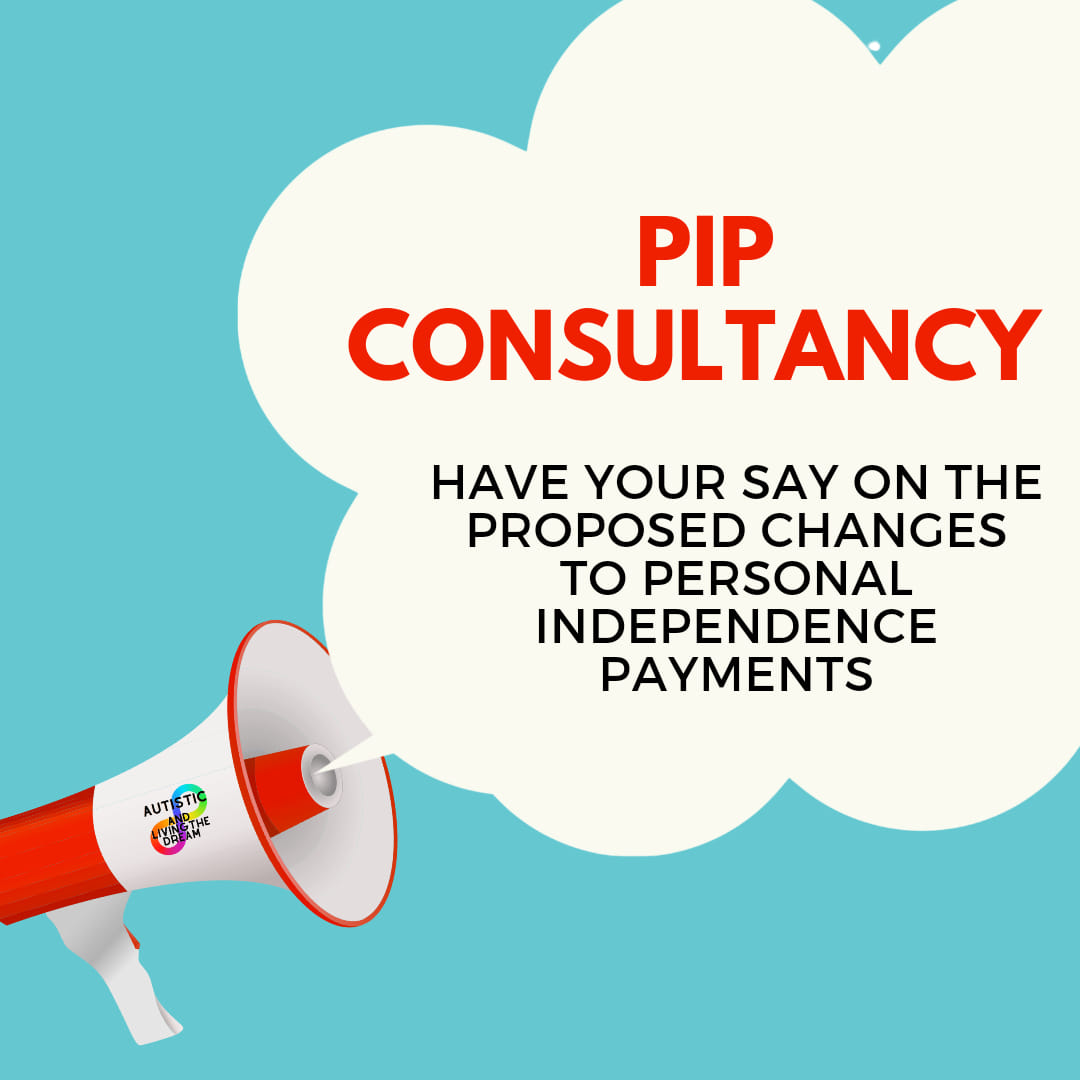
A Green Paper has been written to make changes to the Personal Independence Payments (PIP) in the UK. Currently, these payments can be applied for by Disabled and neurodivergent people – including those with mental health conditions. The money awarded can be spent by this person however they see fit. The payments are given monthly…
-
The “virtues” of Rainbow Capitalism

The “pink pound” has generally been defined as the spending power of homosexual men and women (and now more generally LGBTQIA+ community members). It is suggested that gay men especially have a greater disposable income and more likely to adopt new products than the average consumer. Some companies use advertising and product placement to appeal…
-
Government Consultation on Relationship, Sex and Health Education in UK schools

The UK Government is consulting on new guidance for Relationship, Sex and Health Education in schools, proposing a ban on the teaching of gender identity to prevent questioning of gender. Schools are urged to teach about protected characteristics, including gender reassignment, but not gender identity. The deadline for responses is 11th July. Shadow Education Secretary…
-
An outline of my PhD on transgender Autistic experiences

I’m very excited to start my PhD studentship at University of Portsmouth funded by South Coastal Doctoral Training Partnership. I shall be in the school of psychology, doing my own research on: Exploring health and social care inequities for transgender and gender diverse Autistic adults living in the UK. I am really happy to say…
-
What’s the best thing about being Autistic and LGBTQIA+?

This pride month, I asked the community: What’s the best thing about being both Autistic and LGBTQIA+? This blog is based on your answers. Autistic and queer people are often understood through issues we experience such as healthcare needs, inaccessibility, stigma and prejudice. These areas are important for us to discuss, be aware of and…
-
Neurodivergent and queer-affirming spaces and practice

As discussed in David’s Divergent Discussions: Queer- and Neuro- Affirming Spaces and Practice creating safer spaces for those who are both queer and neurodivergent is both simple and complex. The things which benefit us will also benefit many others. Yet our very existence means some people we share spaces with must reflect on their own…
-
What is Rejection Sensitive Dysphoria?

Rejection Sensitive Dysphoria (RSD) causes intense emotional distress from perceived rejection or failure, possibly linked to neurodivergence. This may lead to interpreting ambiguous interactions as rejection, anxiety before rejection, and intense emotional responses. RSD may result from a combination of genetic and environmental factors. Symptoms include self-consciousness, depression, low self-esteem, and people-pleasing.
-
Trans and Autistic: Power at the intersection

Gender expression and identity, under colonialism, is considered as binary, either masculine or feminine, but some people fall somewhere along – or outside of – the spectrum of gender. Trans and gender diverse identities (as well as cultural ‘third genders’ such as two-spirit) exist more frequently in Autistic communities than in non-Autistic communities. Many Autistic…
-
Asexual, aromantic and Autistic: “I don’t need fixing”

This content addresses the misconceptions and stereotypes surrounding Autistic individuals’ capacity for love and intimacy, particularly the erasure and phobia faced by those who identify as asexual or aromantic. It emphasizes the need for understanding and respecting diverse identities and urges for education and advocacy to empower and support Autistic individuals.