
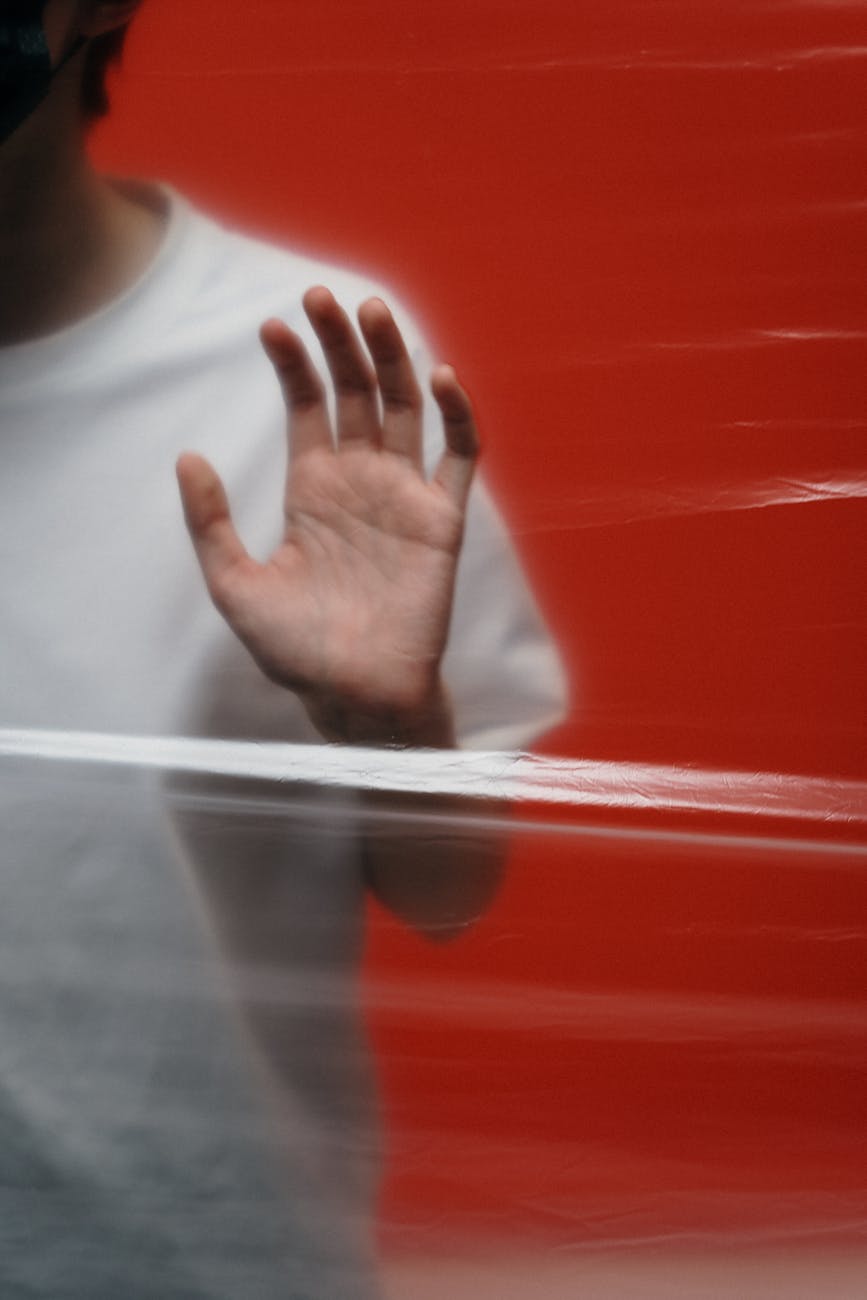
Rejection sensitive dysphoria (RSD) is when a person experiences severe emotional pain and distress due to rejection and failure (perceived or otherwise). This emotional distress can manifest as:
- Interpreting neutral / vague interactions as rejection.
- Feeling severe anxiety before anticipated rejection.
- Intense feelings, and behaviour, which reflect anger, sadness, rage, anxiety, ect.
Despite a lack of clinical basis for RSD many link it to neurodivergence, suggesting that RSD occurs due to differences in brain structure. This brain structure is suggested to change the ability of how someone regulates rejection-related emotions.
Rejection is a concern across all neuro-cognitive styles, however RSD is said to come with more intense emotions which may be harder to regulate. Further, the catalyst for such emotions are more likely to be vague in nature, such as a friend who doesn’t text back in their usual time-span being considered as “proof” that the friend does not like the sender.
RSD has not yet been connected to complex trauma and PTSD, whereby the emotional regulation of a person is changed due to negative life events. Abuse, neglect, and other adverse childhood experiences often pave the way for emotional dysregulation, which can result in low self-esteem. However, I believe that this low self-esteem, combined with processing traumatic experiences can cause symptoms of RSD. RSD, in my view, is an overlap of nature and nurture is which also help sustain it and make it more difficult to manage.
The very way people who experience RSD are treated can make this harder to live with. Moreover, the actions and emotions which come from RSD can become self-fulfilling (the friend who didn’t text back may react strongly to any assertion that they did so due to not liking the text sender).
Actions and emotions often connected to RSD:
- Heightened levels of self-consciousness and embarrassment.
- Internalising feelings which may manifest in depression or depression-like symptoms.
- Low self-esteem which may stop them from trying something new due to the fear of failure.
- Perfectionism.
- Showing intense emotions as if “from nowhere” such as intense anger or bursting into tears.
- People-pleasing to avoid the disapproval of others.
These actions and emotions will be experienced differently from person to person and can make neurodivergent more vulnerable to trauma.
I am not a medical professional and speak of RSD from my own experience and those of my friends and family.
3 responses to “What is Rejection Sensitive Dysphoria?”
[…] Rejection Sensitive Dysphoria (RSD) can be a barrier to inclusive safer spaces, especially in neurodivergent spaces. Autistic people often experience stigma, isolation, and trauma. This has not yet been linked to RSD but may cause other co-occuring mental health differences. […]
[…] PhD applicants. Rejection is a difficult thing for all people to navigate, however for those with Rejection Sensitive Dysphoria (including lot of Autistic people) the rejection is much more emotionally draining and […]
[…] neurodivergent people also experience Rejection Sensitivity Dysphoria (RSD) — an intense emotional reaction to perceived criticism or rejection. Over time, this can […]