
-
Book Review: Facilitating Autistic Peer Support Groups by Bird Sellergren
Facilitating Autistic Peer Support Groups by Bird Sellergren is a comprehensive handbook for creating and maintaining supportive spaces for Autistic adults. It emphasises the importance of respect, autonomy, and emotional safety in facilitation, encouraging self-awareness among facilitators. Grounded in intersectional frameworks, it serves as a vital resource for advocacy and empowerment.
-
Epistemic and Affective Injustice: Understanding Autistic Experiences
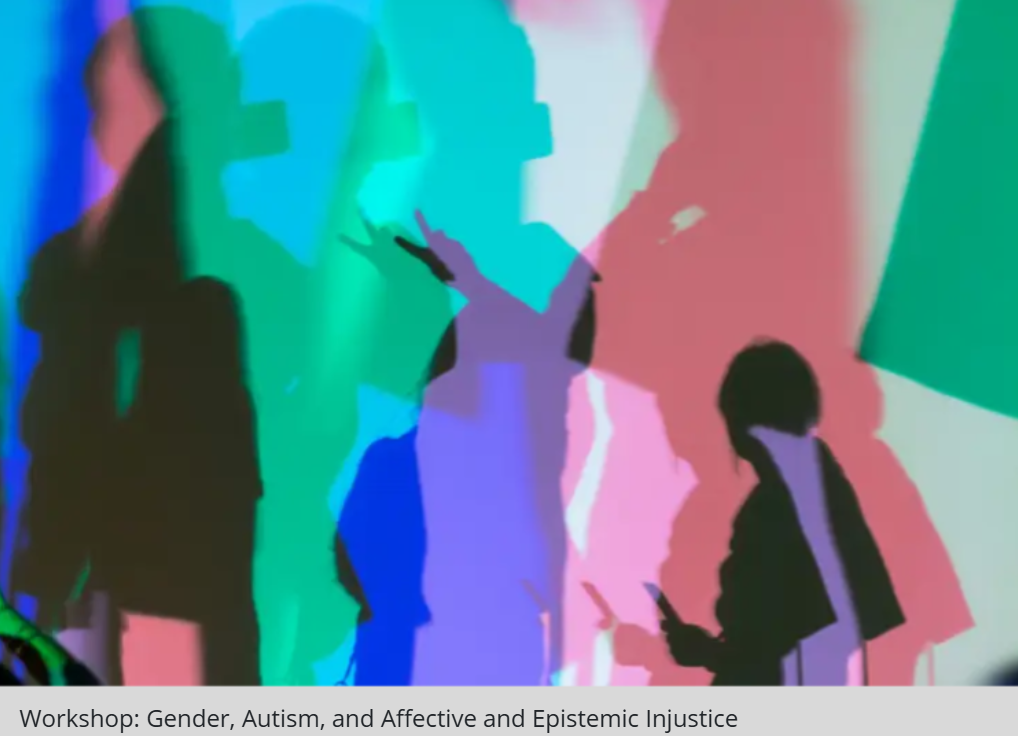
In July, I attended a workshop in Durham focused on gender, autism, and injustice, exploring the experiences of autistic women. Key topics included epistemic and affective injustice, impression management in socially anxious youth, and the impact of cisgenderism and neuro-normativity in research. The event prompted reflections on autism and authenticity.
-
Mattel Launches First Autistic Barbie Doll

On January 11th, Mattel launched the first Autistic Barbie doll, designed in collaboration with the Autistic Self-Advocacy Network. Featuring unique articulation and accessories for autistic representation, the doll aims to celebrate diversity. While it has received positive feedback, some concerns regarding stereotypes and representation have also emerged.
-
Understanding Belonging: A Summary of Recent Trans Autistic Research

The study examines the experiences of transgender and gender diverse autistic adults regarding belonging and exclusion across three levels: macro (workplaces), meso (healthcare, education), and micro (personal relationships). It highlights the complexity of their experiences influenced by systemic ableism and transphobia, advocating for structural changes to enhance inclusivity and supportive environments.
-
Breaking Down Single-Issue Advocacy in Autism

The author reflects on their autistic experience, acknowledging a narrow viewpoint shaped by privilege and a lack of humility. They discuss past mistakes in advocacy, emphasising the need for inclusivity and understanding within the autistic community. Recognising the interconnectedness of various oppressions, they advocate for embracing diverse experiences and identities among autistic people.
-
Embracing Authenticity in Academic Presentations

The author reflects on speaking at various queer and autistic conferences, emphasizing the challenges of conforming to normative presentation styles. They found comfort in familiar environments and shared experiences with attendees. Despite difficulties, they aimed for a conversational approach, valuing personal storytelling and community engagement over traditional presentation norms.
-
Rejecting Academic Norms: Trans and Autistic Voices Matter

-
The Impact of ‘Neurospicy’ on Neurodivergent Communities

The term “neurospicy” describes neurodivergent individuals but risks undermining the experiences of disabled individuals due to its euphemistic nature. Originating in the early 2020s to challenge medical labels, it contains racial-sexist connotations that can perpetuate harmful stereotypes. In contrast, “neurodivergent” is preferred for its inclusivity and empowerment.
-
Ode to a lost hat

-
What’s the best thing about being Autistic and LGBTQIA+?

This pride month, I asked the community: What’s the best thing about being both Autistic and LGBTQIA+? This blog is based on your answers. Autistic and queer people are often understood through issues we experience such as healthcare needs, inaccessibility, stigma and prejudice. These areas are important for us to discuss, be aware of and…