
-
Poetry and Grief: Honouring Professor Jason Arday

Last night’s grief circle by Black Psychotherapy, led by poet Janice Whyne, honoured Professor Jason Arday. Participants expressed deep emotions of grief, rage, and injustice associated with his tragic death and broader societal issues. The session encouraged reflection on grief, community support, and the transformative power of shared experiences and words.
-
Celebrating the work of Professor Jason Arday
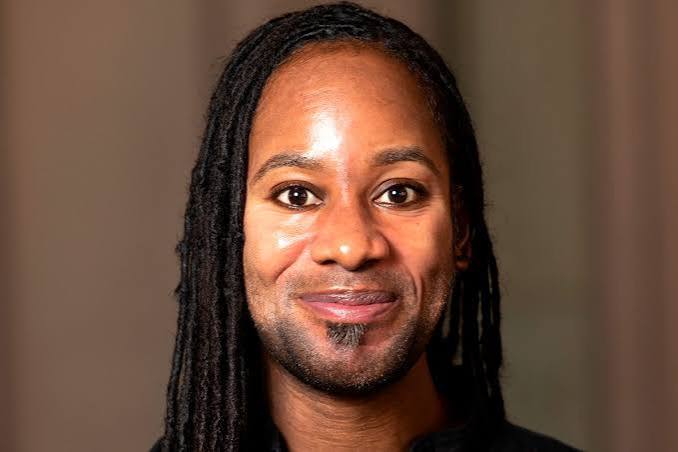
In early 2023, Cambridge University were delighted to tell the world that Dr Jason Arday had been appointed as a Professor of Sociology of Education, with his post beginning in March that year. Cambridge University shared “Arday has faced many personal challenges – notably being diagnosed, at the age of three, with a form of…
-
From Autistic Reflections to Broader Social Justice

-
The Power of Collaborative Thematic Analysis in Trans Research

The author’s PhD research involves analysing health and social care experiences with four trans and gender diverse co-researchers. Initially concerned about coordination, the collaboration has proved rewarding, enhancing understanding of shared experiences. The team is now writing a paper on their findings, demonstrating the power of participatory action research.
-
Zine Promotes Allyship for Trans+ Health

The Trans Aware Cancer Care community researchers have produced a zine, “A Guide for Allies to Improve Trans+ Access to Healthcare,” highlighting systemic barriers faced by trans+ individuals when accessing cancer services. It includes personal stories and art to promote allyship, emphasising the need for supportive healthcare professionals to ensure inclusive, affirming care.
-
Breaking Down Single-Issue Advocacy in Autism

The author reflects on their autistic experience, acknowledging a narrow viewpoint shaped by privilege and a lack of humility. They discuss past mistakes in advocacy, emphasising the need for inclusivity and understanding within the autistic community. Recognising the interconnectedness of various oppressions, they advocate for embracing diverse experiences and identities among autistic people.
-
Enhancing Accessibility in Substance Use Services for Autistic Clients
This report examines the accessibility of substance use services in Portsmouth for autistic individuals, emphasising the need for tailored environments and continual staff learning. It highlights systemic barriers, advocating for ongoing neurodiversity training and the adoption of the SPACE framework. The findings show accessible care is achievable through collaboration with autistic communities.
-
2025 in Review: Advocacy Wins and Personal Growth

The year was transformative, marked by advocacy wins such as the closure of the Spectrum 10K project, significant academic achievements including the completion of a PhD year, and a strong sense of community in research. Ongoing efforts highlight the importance of Autistic voices and mental health, fueling hope for future progress.
-
Understanding Double Empathy in TGD Autistic Healthcare

The blog discusses healthcare inequities faced by gender diverse autistic adults, emphasizing the Double Empathy Problem. It highlights systemic barriers, biases in healthcare, and the challenges posed by transmedicalism. Recommendations for practitioners include checking biases, using inclusive language, and valuing lived experiences to foster equitable healthcare environments.
-
Breaking the Model: On Cisgenderism, Ableism, and Academic Survival

The blog discusses a conversation on The Autism Podcast addressing issues of cisgenderism, ableism, and intersectionality, particularly for trans autistic individuals in healthcare. The author shares experiences about community involvement, the challenges faced by autistic youth, substance use among autistic adults, and the complexities of research within a deficit-oriented psychological field.