
-
Poetry and Grief: Honouring Professor Jason Arday

Last night’s grief circle by Black Psychotherapy, led by poet Janice Whyne, honoured Professor Jason Arday. Participants expressed deep emotions of grief, rage, and injustice associated with his tragic death and broader societal issues. The session encouraged reflection on grief, community support, and the transformative power of shared experiences and words.
-
Celebrating the work of Professor Jason Arday
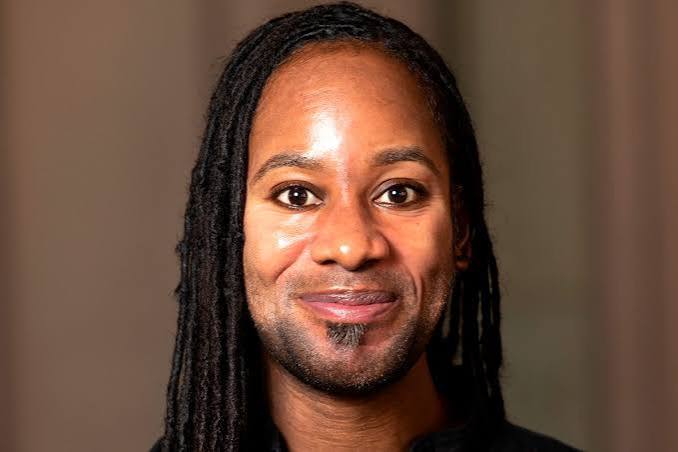
In early 2023, Cambridge University were delighted to tell the world that Dr Jason Arday had been appointed as a Professor of Sociology of Education, with his post beginning in March that year. Cambridge University shared “Arday has faced many personal challenges – notably being diagnosed, at the age of three, with a form of…
-
Breaking Down Single-Issue Advocacy in Autism

The author reflects on their autistic experience, acknowledging a narrow viewpoint shaped by privilege and a lack of humility. They discuss past mistakes in advocacy, emphasising the need for inclusivity and understanding within the autistic community. Recognising the interconnectedness of various oppressions, they advocate for embracing diverse experiences and identities among autistic people.
-
Breaking the Model: On Cisgenderism, Ableism, and Academic Survival

The blog discusses a conversation on The Autism Podcast addressing issues of cisgenderism, ableism, and intersectionality, particularly for trans autistic individuals in healthcare. The author shares experiences about community involvement, the challenges faced by autistic youth, substance use among autistic adults, and the complexities of research within a deficit-oriented psychological field.
-
OCD Family Podcast: Insights from Katie Munday

This is the transcript from the recent OCD Fam podcast. You can listen via podcast here and via YouTube here. Summary The OCD Fam podcast featured a conversation between me and Nicole. I shared updates on my busy life and advocacy work. I discussed the importance of joy in healthcare interactions and the challenges of…
-
The Search for a Unifying Term in Autism

The quest for an inclusive term for the Autistic community is daunting due to its diverse experiences and identities. Terms like “neurodivergent” and “Autism Spectrum Disorder” resonate differently among individuals. Racial dynamics complicate this further, highlighting that while language should respect autonomy, it often reflects societal hierarchies influenced by racism and ableism.
-
Challenging Illusions of Inclusivity in Workspaces

Through my deepening journey with social justice I feel I am finally opening my eyes. With this new found clarity I am no longer able to be in spaces where people don’t champion and validate diversity and prioritise the psychological safety of all within their space. This includes the psychological safety of Global Majority people,…
-
Debunking the “COVID-19 Autism Risk”

Neilson’s work continues to add to growing information about how COVID-19 continues to harm pregnant people and their unborn babies. Unfortunately, this journalist decided to use a skewed version of this work to undermine Autistic people and pregnancy care researchers. The misogyny and ableism are mixed into a fine slurry in this article.
-
Taking Autistic researchers seriously

The author’s experience as a neurodivergent research assistant at a UK university highlights challenges in navigating administrative processes exacerbated by Covid-19. Despite their qualifications, they faced bureaucratic obstacles that led to frustration and workplace insecurity. This experience reinforced the importance of support and understanding for neurodivergent individuals in collaborative environments.
-
Neurodivergent or neurodiverse? Why getting it right really matters

It might seem nit-picky when people talk about the importance of using ‘Neurodivergent’ and ‘Neurodiverse’ correctly. However, there is a social and political reason why it is important for us to get the distinction between these two words correct, especially for academics and neurodivergent (ND) organisations. Neurodiversity – includes everyone, including neurotypical / neuromajoritives. Neurodivergence…