-
Supporting Neurodivergent Lives: Embracing Complexity

Human beings are complex. We’re constantly changing, adapting, and responding to our environments emotionally, mentally, and physically. For neurodivergent people, this complexity is often heightened by a world that isn’t built with our brains in mind. Supporting neurodivergent people means embracing the unpredictability and the chaos that makes us human. Chaos theory reminds us that…
-
Challenging Illusions of Inclusivity in Workspaces
Through my deepening journey with social justice I feel I am finally opening my eyes. With this new found clarity I am no longer able to be in spaces where people don’t champion and validate diversity and prioritise the psychological safety of all within their space. This includes the psychological safety of Global Majority people,…
-
The jewellery I never get to wear
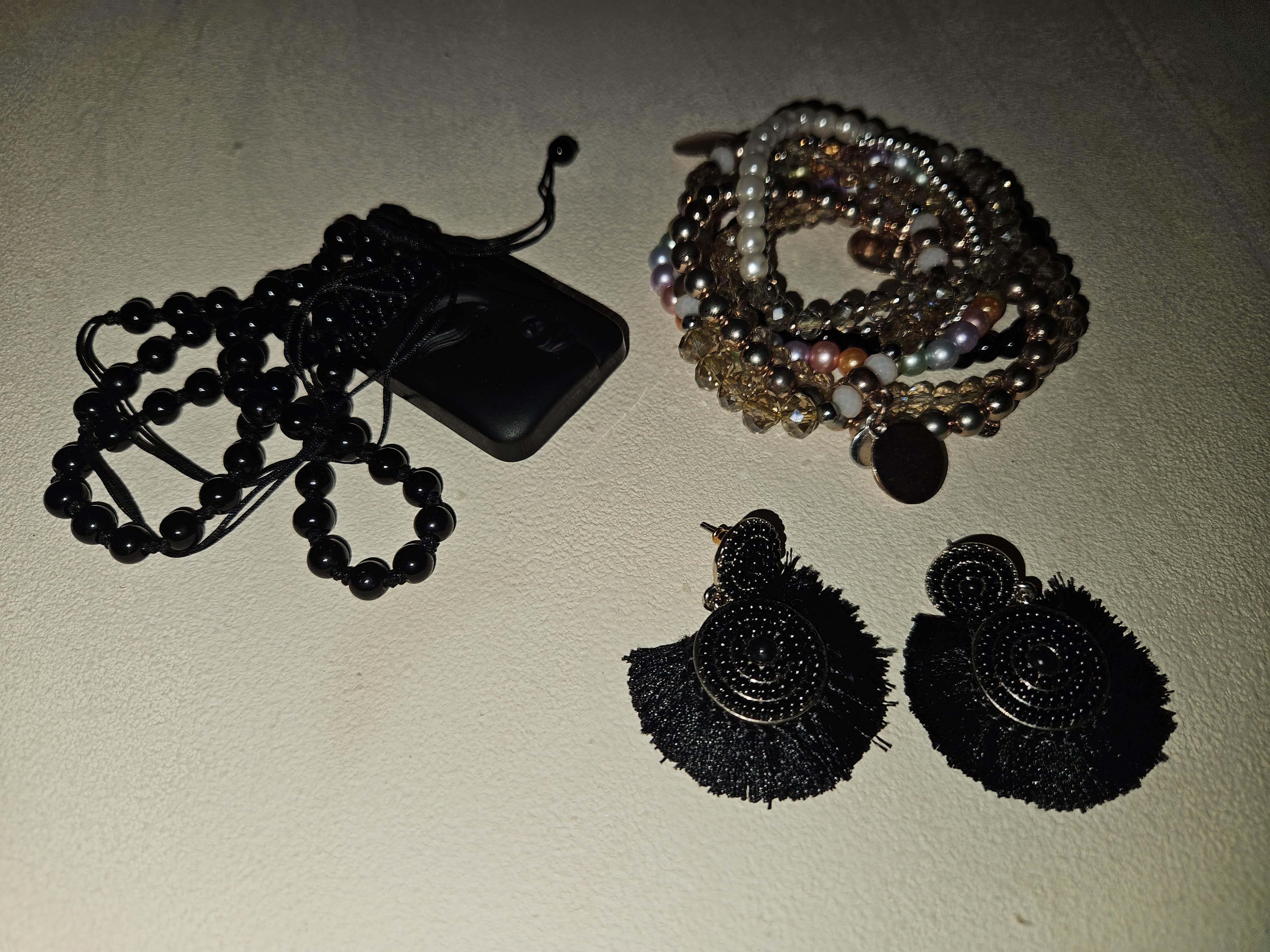
This post delves into the challenges faced by a chronically ill, anxious Autistic individual in attending social events, due to physical and mental considerations. The author highlights the complexities of preparing for outings, the impact on relationships, and the need for understanding from others. Despite missed opportunities, the individual prioritizes self-care and hopes for future…
-
What comes under the “Neurodivergent” umbrella?

In short, probably more than most of us think! Kassiane Asasumasu, coined the term neurodivergent in the late 1990s / early 2000s, stating that the term included those “Whose neurocognitive functioning diverges from dominant societal norms in multiple ways” and should therefore not be used to exclude people but to include them. In more recent…
-
What is Rejection Sensitive Dysphoria?

Rejection Sensitive Dysphoria (RSD) causes intense emotional distress from perceived rejection or failure, possibly linked to neurodivergence. This may lead to interpreting ambiguous interactions as rejection, anxiety before rejection, and intense emotional responses. RSD may result from a combination of genetic and environmental factors. Symptoms include self-consciousness, depression, low self-esteem, and people-pleasing.
-
OCD: Shame and affirmation

The need for OCD-affirming spaces is highlighted, emphasizing the validity of identities and experiences. The author shares their challenges with OCD treatment options, including problematic experiences with CBT and the complexities of medication. Online OCD spaces often fail to provide meaningful support, and misconceptions about OCD perpetuate shame and ableism. The urgent call for creating…
-
Trans and Autistic: Disability, neurodivergence and transness

This is the transcript from Tranvox on disability, neurodivergence and transness, which can be found here. Gillian: Hi and welcome back to the next edition of Transvox. No Jenny today but sitting in front of me is Katie Munday – so welcome! Katie: Hello, and thanks for having me again. Gillian: So, Katie tells us…
-
Creating Safe Spaces book review
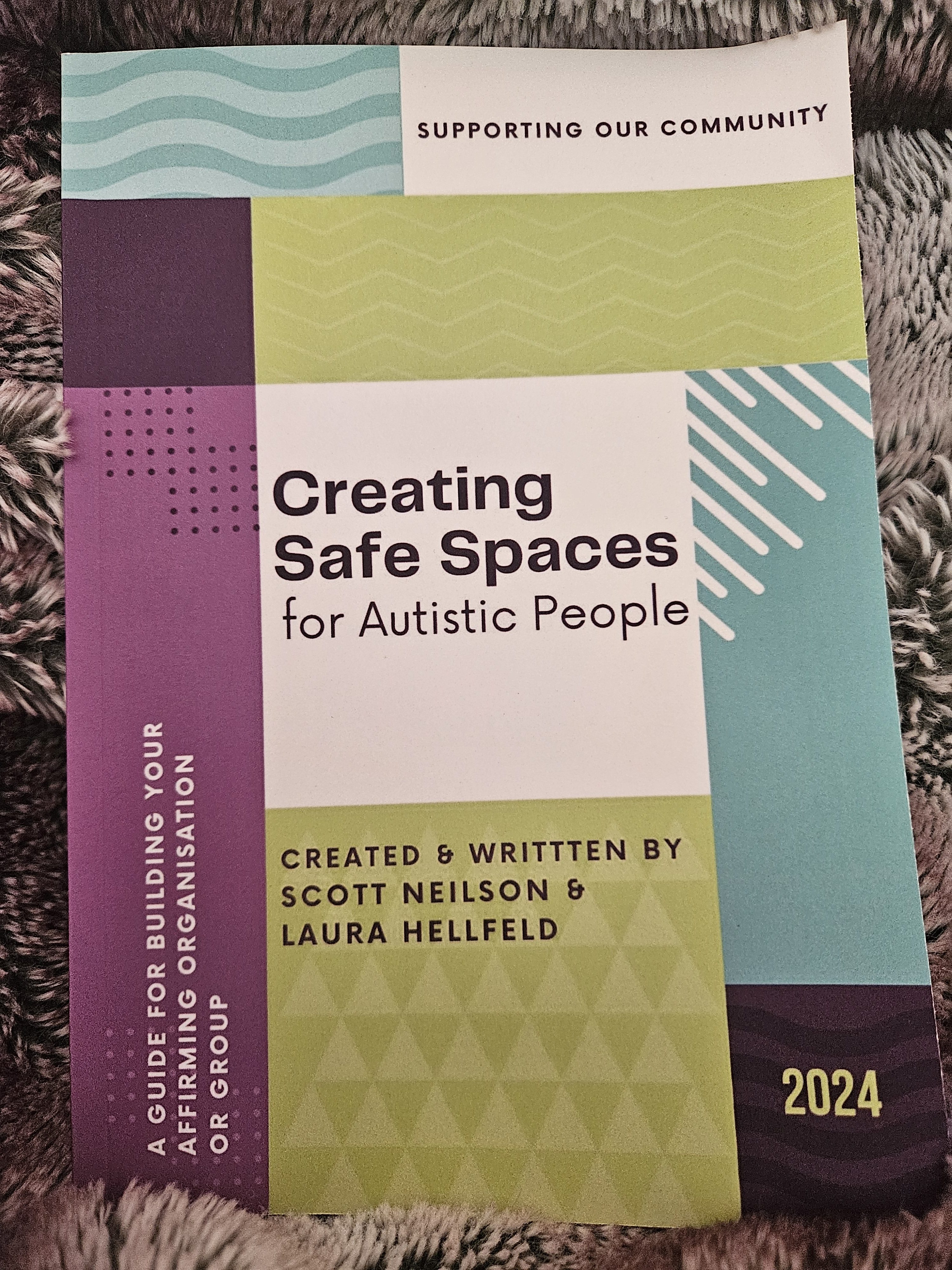
“Creating Safe Spaces for Autistic People” by Scott Neilson and Laura Hellfeld provides a comprehensive guide for establishing inclusive environments. The authors, along with other autistic advocates, address topics such as language use, participant support, and accessibility. Ranging from sensory tools to public transport guidance, this well-structured resource is valuable for professionals supporting autistic individuals.
-
No, Joe Wicks, ADHD isn’t a dietary issue

Joe Wicks, aka The Body Coach, has recently suggested (on a BBC podcast) that the “surge” in childhood ADHD diagnoses is linked to poor diet. He shared: “Looking back now, there’s no doubt the food I was eating was directly linked to my behaviour. I was never diagnosed with ADHD, but I think nowadays it’s…
-
It’s not ok to not be ok