
-
The jewellery I never get to wear
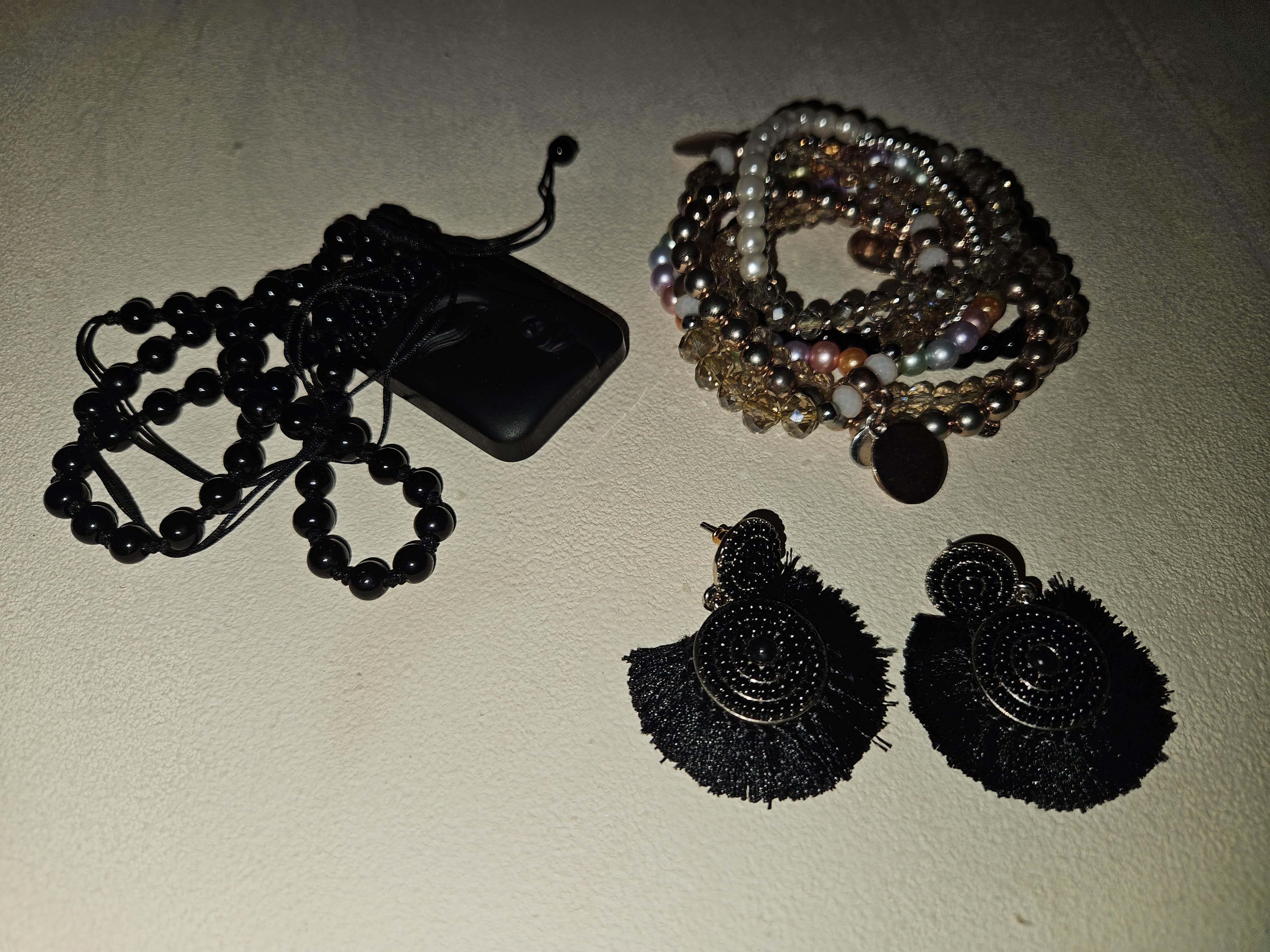
This post delves into the challenges faced by a chronically ill, anxious Autistic individual in attending social events, due to physical and mental considerations. The author highlights the complexities of preparing for outings, the impact on relationships, and the need for understanding from others. Despite missed opportunities, the individual prioritizes self-care and hopes for future…
-
What comes under the “Neurodivergent” umbrella?

In short, probably more than most of us think! Kassiane Asasumasu, coined the term neurodivergent in the late 1990s / early 2000s, stating that the term included those “Whose neurocognitive functioning diverges from dominant societal norms in multiple ways” and should therefore not be used to exclude people but to include them. In more recent…
-
Neurodivergent and queer-affirming spaces and practice

As discussed in David’s Divergent Discussions: Queer- and Neuro- Affirming Spaces and Practice creating safer spaces for those who are both queer and neurodivergent is both simple and complex. The things which benefit us will also benefit many others. Yet our very existence means some people we share spaces with must reflect on their own…
-
What is Rejection Sensitive Dysphoria?
Rejection Sensitive Dysphoria (RSD) causes intense emotional distress from perceived rejection or failure, possibly linked to neurodivergence. This may lead to interpreting ambiguous interactions as rejection, anxiety before rejection, and intense emotional responses. RSD may result from a combination of genetic and environmental factors. Symptoms include self-consciousness, depression, low self-esteem, and people-pleasing.
-
Helping our younger selves

The author shares the challenges of being a neurodivergent person who wants to support others like them. They express frustration at not being taken seriously in conversations about neurodivergent children, and highlight the harmful impact of society’s attitudes. They emphasize the need for genuine understanding and support for neurodivergent individuals and their families.
-
OCD: Shame and affirmation

The need for OCD-affirming spaces is highlighted, emphasizing the validity of identities and experiences. The author shares their challenges with OCD treatment options, including problematic experiences with CBT and the complexities of medication. Online OCD spaces often fail to provide meaningful support, and misconceptions about OCD perpetuate shame and ableism. The urgent call for creating…
-
Trans and Autistic: Disability, neurodivergence and transness
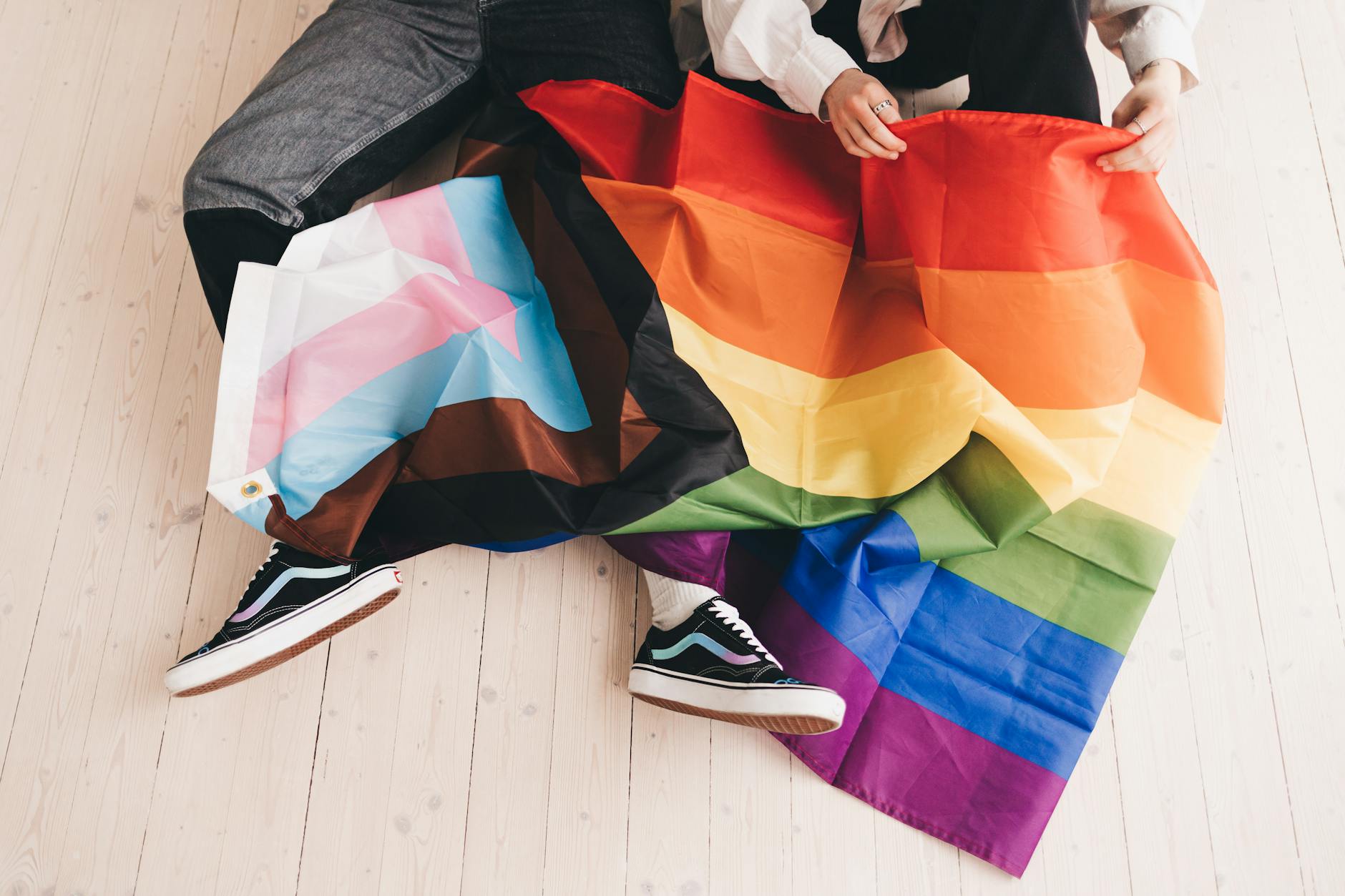
This is the transcript from Tranvox on disability, neurodivergence and transness, which can be found here. Gillian: Hi and welcome back to the next edition of Transvox. No Jenny today but sitting in front of me is Katie Munday – so welcome! Katie: Hello, and thanks for having me again. Gillian: So, Katie tells us…
-
Allies and safe spaces
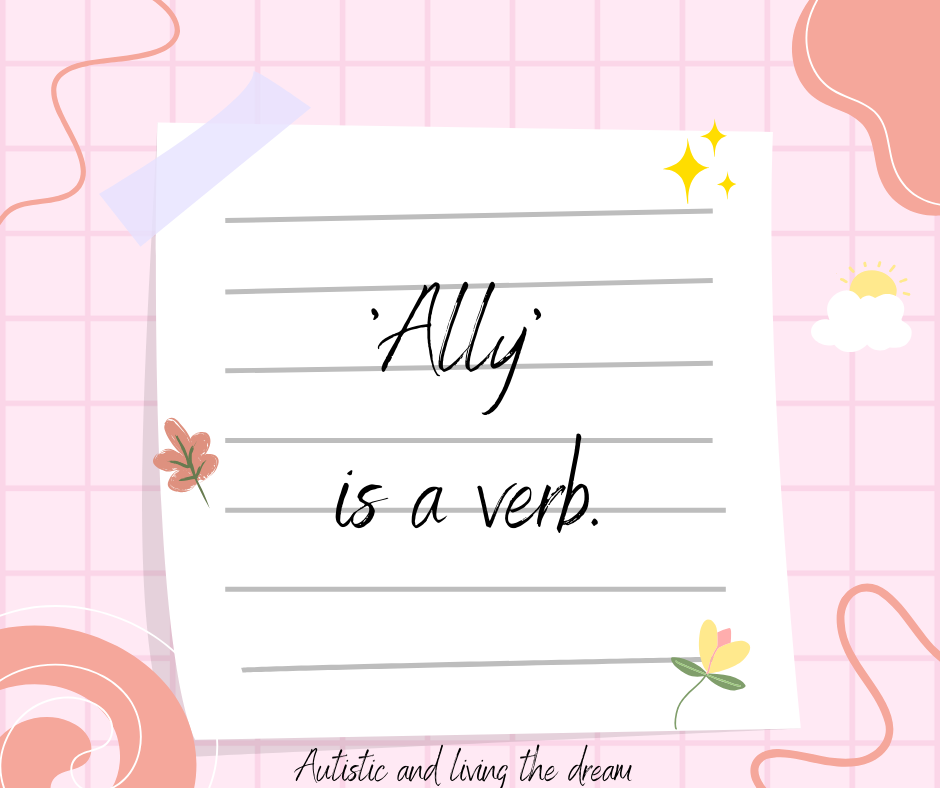
Allyship is an ongoing commitment toward understanding and supporting those with different identities and experiences. Performative actions are not enough; true allyship requires genuine effort and involvement. Organizations often claim to support marginalized groups without truly understanding their experiences. Creating truly safe and inclusive spaces requires genuine effort and a willingness to actively fight for…
-
Autistic Burnout: What is it, and why does it happen?

Autistic burnout is a heightened state of stress, affecting energy, emotions, and sensory management. It’s often triggered by social and work-related factors, leading to emotional dysregulation, sensory overload, and brain fog. This can result in a sense of isolation, frustration, and an overwhelming feeling of responsibilities without the energy to address them.
-
No road map for trauma recovery

Trauma recovery is heavy but for me it has become lighter over time. Every day I feel lighter, a bit more myself, closer to actualisation. Then the doom comes. There’s not always a trigger, or a warning. There isn’t necessarily a road map from ‘good’ to ‘bad.’ It just comes. The anger. The sadness. The…