
-
Reflecting on Four Years of Autism Advocacy Online

-
Neurodivergent or neurodiverse? Why getting it right really matters

It might seem nit-picky when people talk about the importance of using ‘Neurodivergent’ and ‘Neurodiverse’ correctly. However, there is a social and political reason why it is important for us to get the distinction between these two words correct, especially for academics and neurodivergent (ND) organisations. Neurodiversity – includes everyone, including neurotypical / neuromajoritives. Neurodivergence…
-
What comes under the “Neurodivergent” umbrella?

In short, probably more than most of us think! Kassiane Asasumasu, coined the term neurodivergent in the late 1990s / early 2000s, stating that the term included those “Whose neurocognitive functioning diverges from dominant societal norms in multiple ways” and should therefore not be used to exclude people but to include them. In more recent…
-
Neurodivergent and queer-affirming spaces and practice

As discussed in David’s Divergent Discussions: Queer- and Neuro- Affirming Spaces and Practice creating safer spaces for those who are both queer and neurodivergent is both simple and complex. The things which benefit us will also benefit many others. Yet our very existence means some people we share spaces with must reflect on their own…
-
Trans and Autistic: Living in two closets

-
Neurodivergent and queer: Coming out twice

As people who are both neurodivergent and queer, we have to make the continuous difficult decision of coming out. Who to tell, when to tell, how much to tell and what we want from revealing parts of ourselves. Keeping safe How do we know that who we are sharing our identities and our experiences with…
-
Check list for UK Pride events

-
Coaching wheelchair basketball as an “able-bodied” person

I have coached wheelchair basketball for over eight years, I do this alongside another fantastic coach and some truly dedicated volunteers. Our players have different backgrounds, abilities and disabilities, ages and gender. It is one of my favourite parts of my working week and I don’t talk about if often enough. I wonder what puts…
-
Helping our younger selves

The author shares the challenges of being a neurodivergent person who wants to support others like them. They express frustration at not being taken seriously in conversations about neurodivergent children, and highlight the harmful impact of society’s attitudes. They emphasize the need for genuine understanding and support for neurodivergent individuals and their families.
-
Allies and safe spaces
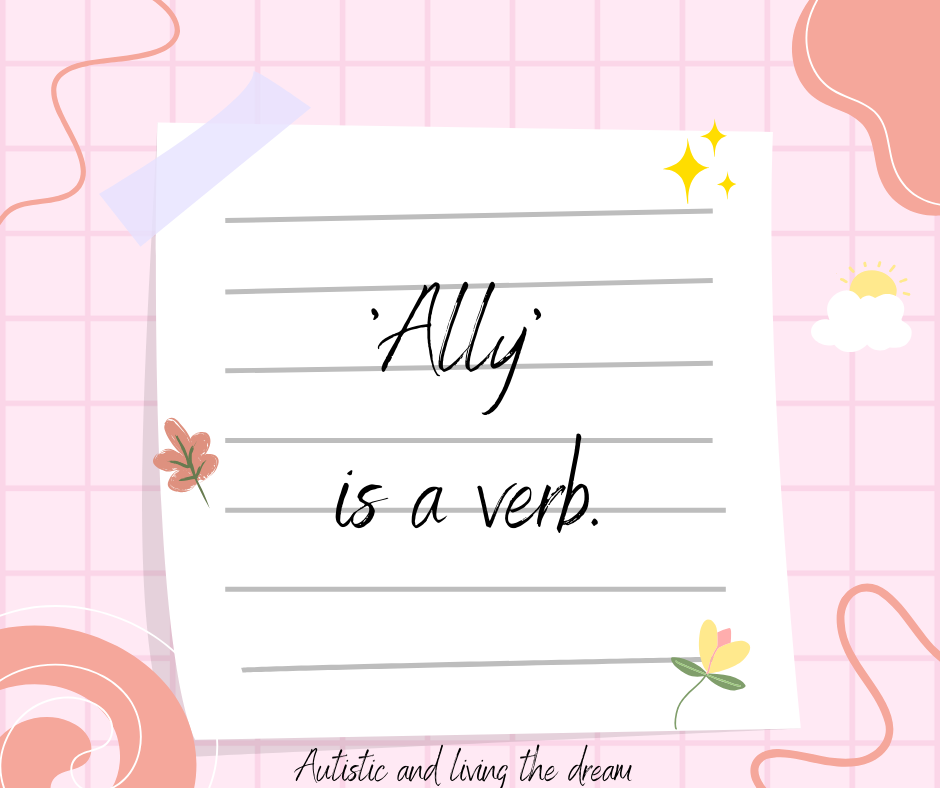
Allyship is an ongoing commitment toward understanding and supporting those with different identities and experiences. Performative actions are not enough; true allyship requires genuine effort and involvement. Organizations often claim to support marginalized groups without truly understanding their experiences. Creating truly safe and inclusive spaces requires genuine effort and a willingness to actively fight for…