
-
The Power of Collaborative Thematic Analysis in Trans Research

The author’s PhD research involves analysing health and social care experiences with four trans and gender diverse co-researchers. Initially concerned about coordination, the collaboration has proved rewarding, enhancing understanding of shared experiences. The team is now writing a paper on their findings, demonstrating the power of participatory action research.
-
You better

-
Finding Focus: Intentional Thinking in Academia

The writer reflects on the importance of slowing down amidst the pressure of productivity and capitalism. Emphasising a mindful approach to PhD studies, they advocate for intentional, small progress rather than rushing. They seek calm and space for deep thought, aiming to prioritise mental wellbeing over external expectations in academia.
-
My Research

Katie Munday, a PhD candidate at the University of Portsmouth, researches the experiences of transgender and gender-diverse autistic adults in accessing health and social care in the UK. Their community-based projects focus on healthcare accessibility, substance use in autistic individuals, and improving cancer service resources for marginalised communities.
-
Supporting Neurodivergent Lives: Embracing Complexity

Human beings are complex. We’re constantly changing, adapting, and responding to our environments emotionally, mentally, and physically. For neurodivergent people, this complexity is often heightened by a world that isn’t built with our brains in mind. Supporting neurodivergent people means embracing the unpredictability and the chaos that makes us human. Chaos theory reminds us that…
-
Insights from TNBI Mental Health Research Workshop
-
Enhancing Accessibility for Autistic Clients in Substance Use Services

I am part-way through my SCDTP internship with Portsmouth City Council, focusing on enhancing accessibility for Autistic clients in substance use services. Utilising findings from the Autistic Substance Use Network, I am auditing training and Recovery Hub environments while collaborating with LGBTQIA+ recovery workers to develop a comprehensive accessibility blueprint.
-
Embracing Authenticity in Academic Presentations

The author reflects on speaking at various queer and autistic conferences, emphasizing the challenges of conforming to normative presentation styles. They found comfort in familiar environments and shared experiences with attendees. Despite difficulties, they aimed for a conversational approach, valuing personal storytelling and community engagement over traditional presentation norms.
-
The Isolation of PhD Studies: A Neurodivergent Perspective

The writer reflects on their challenging PhD journey, grappling with emotional and administrative hurdles while transitioning from a long-term role supporting neurodivergent youth. They express frustration over the lack of clarity in obtaining help, navigating academia’s structures, and reconciling personal trauma with the demands of research. It’s isolating yet deeply personal.
-
The Impact of Neurodivergence on Music Creation
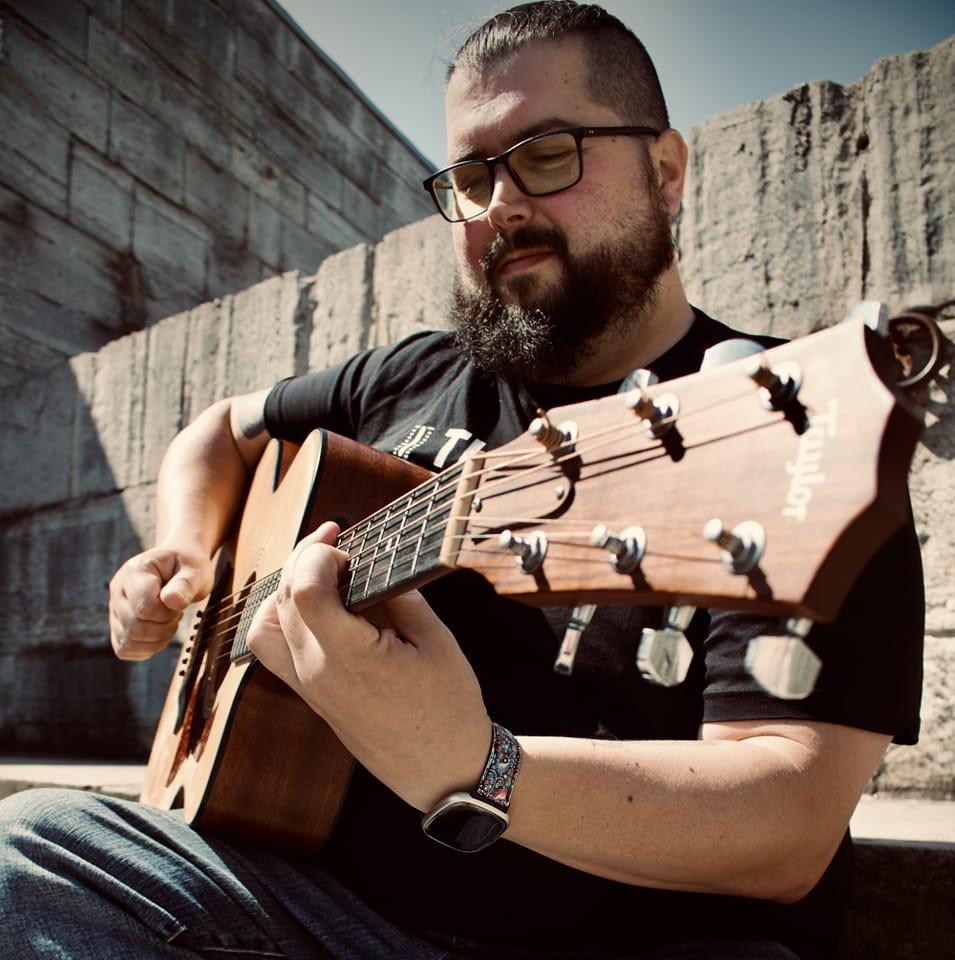
Jay Munday is an ADHD musician who began guitar at 11, influenced by private lessons and college. Overcoming perfectionism, he creates music inspired by life experiences and relationships. After a mental health break, he emphasizes the importance of enjoyment in music and collaboration within a supportive community of independent artists.