
-
Trans and Autistic: no coercion, only care
There is a strange fear around trans young people transitioning. So much of this is based in ignorance and very little understanding on the systems which support said young people. The words ‘coercion’, ‘forcing’ and ‘grooming’ are used by some people to deny children the chance to explore their gender in a safe environment with…
-
Heartbreak high: Autistic representation done right

I have been waiting for Quinni – an Autistic girl played by an Autistic actress – my whole life. What I love about Quinni is that not only is she Autistic, she is openly a lesbian. Most media with lesbian characters are full of trauma around understanding their identity and coming out. And although that…
-
Trans and Autistic: Where do I belong?

Group membership and a sense of belonging can improve the physical and emotional wellbeing of gender diverse Autistic people. However, there remains real risks of transphobia within queer spaces. At the 2018 London Pride march which was infiltrated by a small group of anti-trans protesters. These protesters made disparaging remarks about transwomen and shared literature…
-
Living at the blurry edges of gender and neurotype

-
What Pride means to me

Queer pride is a difficult one for those of us who feel things differently. Do I know what pride feels like? Probably not, not in a way I could explain anyways. Feeling and showing pride as an alexithymic person is difficult (read Alexithymia and interoception: what the Hell is going on!?). Pride, and other feelings,…
-
I wish I could dress like a boy

I have pretty intense sensory processing differences – I get mega tactile joy from soft, light materials and clothing which flows off me. And I hate stuffy, thick, clunky clothing. Tags in clothing make me want to scratch the skin off my body. I find it difficult to wear full length trousers as I don’t…
-
Doing gender the Autistic way
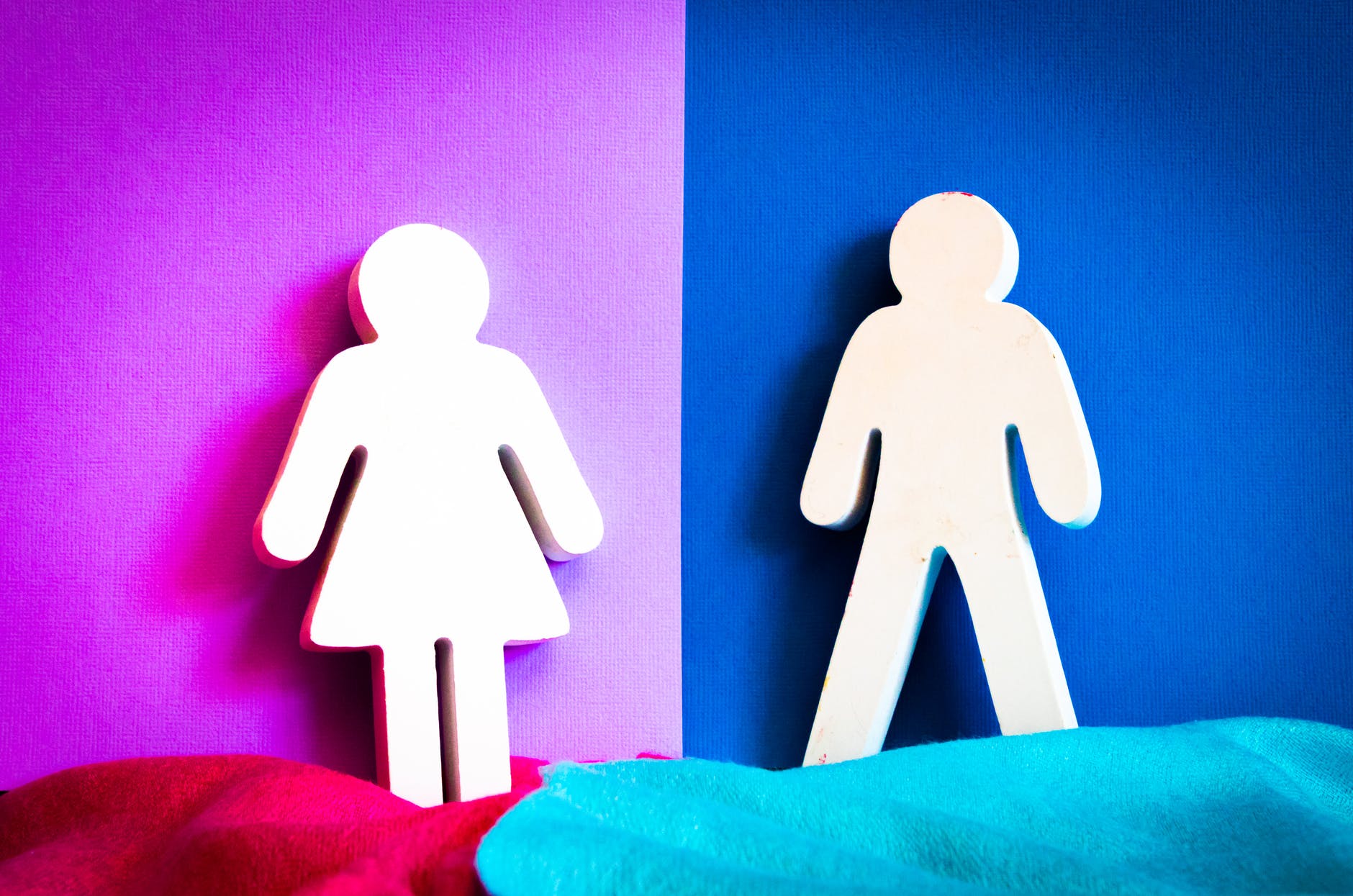
Gender is tricky – it is reliant on the complex interweaving of cultural and social factors, including race, class and disability – for many Autistic people this means our gender is inextricable from our neurology (see Autigender: is autism and gender entwined?). Gender norms are influenced by culturally specific expectations, attitudes and norms, modelled to…