
-
Check list for UK Pride events

-
Helping our younger selves

The author shares the challenges of being a neurodivergent person who wants to support others like them. They express frustration at not being taken seriously in conversations about neurodivergent children, and highlight the harmful impact of society’s attitudes. They emphasize the need for genuine understanding and support for neurodivergent individuals and their families.
-
OCD: Shame and affirmation

The need for OCD-affirming spaces is highlighted, emphasizing the validity of identities and experiences. The author shares their challenges with OCD treatment options, including problematic experiences with CBT and the complexities of medication. Online OCD spaces often fail to provide meaningful support, and misconceptions about OCD perpetuate shame and ableism. The urgent call for creating…
-
Trans and Autistic: Disability, neurodivergence and transness
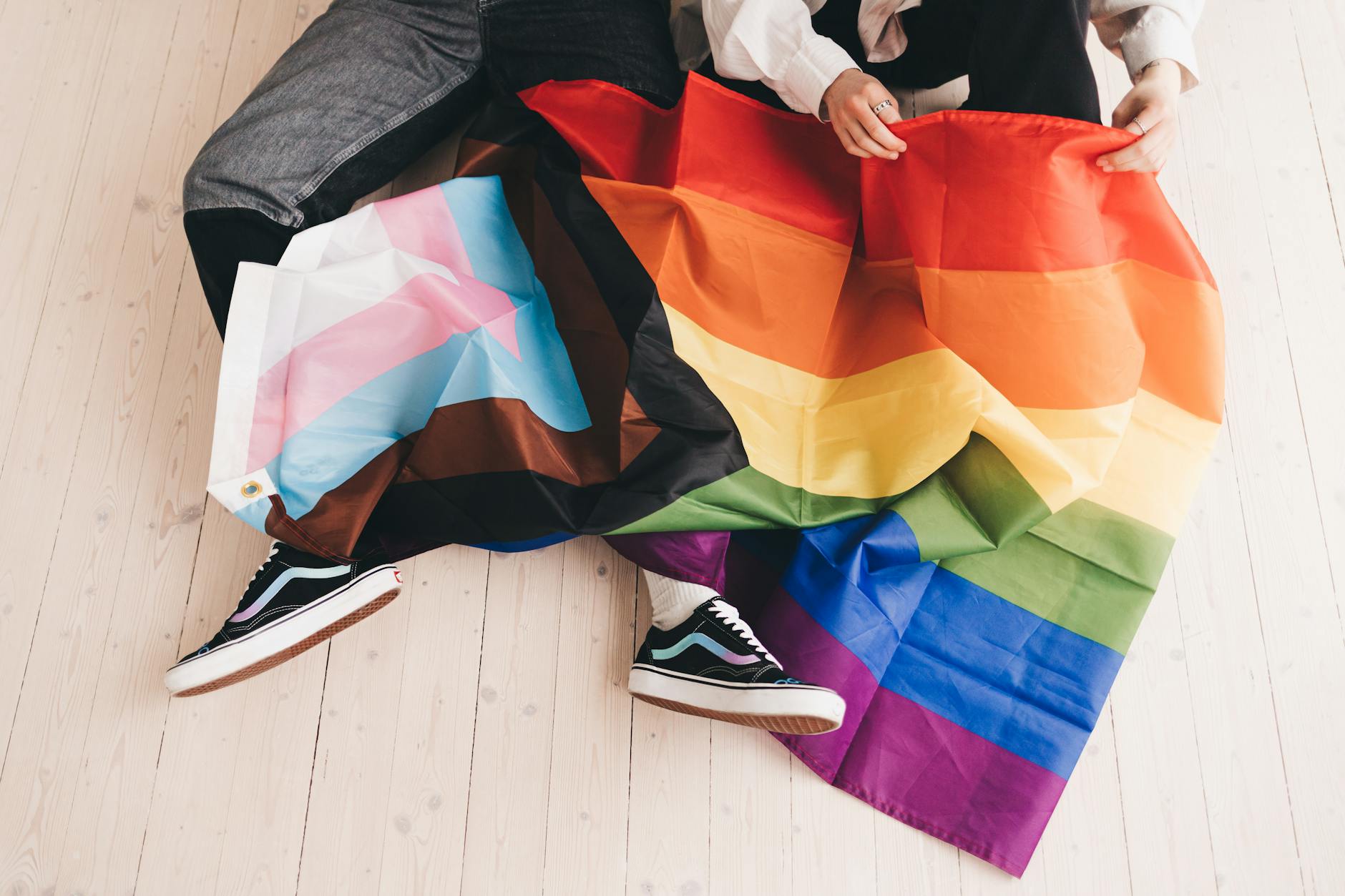
This is the transcript from Tranvox on disability, neurodivergence and transness, which can be found here. Gillian: Hi and welcome back to the next edition of Transvox. No Jenny today but sitting in front of me is Katie Munday – so welcome! Katie: Hello, and thanks for having me again. Gillian: So, Katie tells us…
-
Double Empathy and misgendering

Autistic people must often meet others more than halfway in conversations and social expectations. Social interactions are often dotted with unanswered questions, unknowable facial expressions and nonsensical terminology which we are expected to translate, understand and appropriately respond to within seconds. When things are misinterpreted it is usually seen as the Autistic person’s fault, as…
-
Allies and safe spaces
Allyship is an ongoing commitment toward understanding and supporting those with different identities and experiences. Performative actions are not enough; true allyship requires genuine effort and involvement. Organizations often claim to support marginalized groups without truly understanding their experiences. Creating truly safe and inclusive spaces requires genuine effort and a willingness to actively fight for…
-
Creating Safe Spaces book review
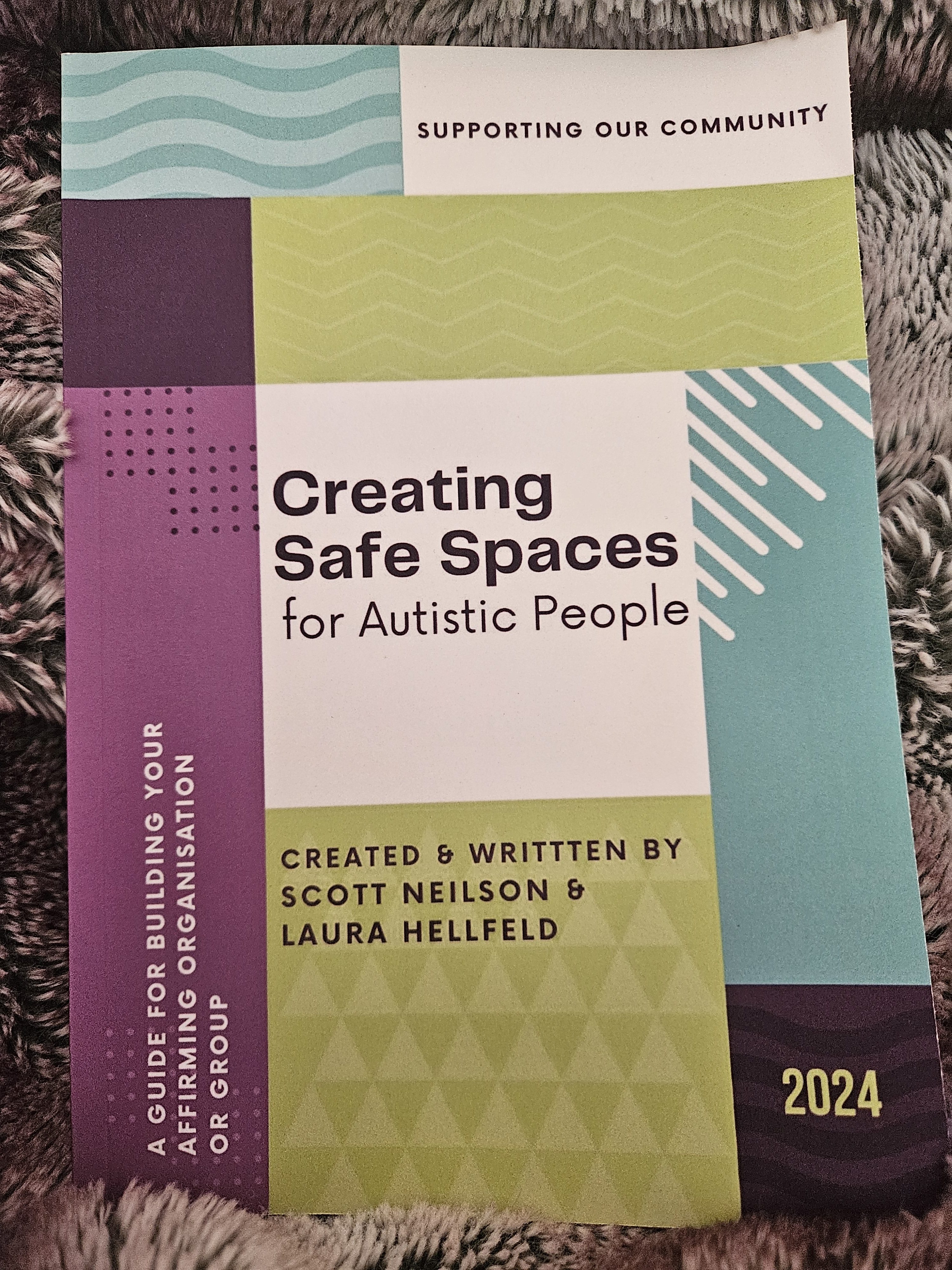
“Creating Safe Spaces for Autistic People” by Scott Neilson and Laura Hellfeld provides a comprehensive guide for establishing inclusive environments. The authors, along with other autistic advocates, address topics such as language use, participant support, and accessibility. Ranging from sensory tools to public transport guidance, this well-structured resource is valuable for professionals supporting autistic individuals.
-
A short guide to gender for Autistic children and young people

-
Autistic Burnout: What is it, and why does it happen?

Autistic burnout is a heightened state of stress, affecting energy, emotions, and sensory management. It’s often triggered by social and work-related factors, leading to emotional dysregulation, sensory overload, and brain fog. This can result in a sense of isolation, frustration, and an overwhelming feeling of responsibilities without the energy to address them.
-
Interview with TransActual for Autism Acceptance Month
