
-
Embracing Flexibility in Time Management

The author reflects on their lifelong struggle with time management, stemming from an Autistic perspective. They discuss the pressures of punctuality instilled during childhood, resulting in anxiety and avoidance of situations where they might be late. Embracing their identity has led to a more relaxed approach to time, prioritising personal well-being over societal expectations.
-
Accessible Cancer Care: Lessons from Autistic Communities

Rosie Tansley and Katie Munday shared insights from their talk at Manchester Metropolitan University about improving cancer services for autistic individuals. The presentation highlighted community-based projects addressing accessibility, patient experiences, and necessary changes in care. Free tickets are available for the hybrid event on March 11th.
-
Mattel Launches First Autistic Barbie Doll

On January 11th, Mattel launched the first Autistic Barbie doll, designed in collaboration with the Autistic Self-Advocacy Network. Featuring unique articulation and accessories for autistic representation, the doll aims to celebrate diversity. While it has received positive feedback, some concerns regarding stereotypes and representation have also emerged.
-
Understanding Belonging: A Summary of Recent Trans Autistic Research

The study examines the experiences of transgender and gender diverse autistic adults regarding belonging and exclusion across three levels: macro (workplaces), meso (healthcare, education), and micro (personal relationships). It highlights the complexity of their experiences influenced by systemic ableism and transphobia, advocating for structural changes to enhance inclusivity and supportive environments.
-
Breaking Down Single-Issue Advocacy in Autism

The author reflects on their autistic experience, acknowledging a narrow viewpoint shaped by privilege and a lack of humility. They discuss past mistakes in advocacy, emphasising the need for inclusivity and understanding within the autistic community. Recognising the interconnectedness of various oppressions, they advocate for embracing diverse experiences and identities among autistic people.
-
Enhancing Accessibility in Substance Use Services for Autistic Clients
This report examines the accessibility of substance use services in Portsmouth for autistic individuals, emphasising the need for tailored environments and continual staff learning. It highlights systemic barriers, advocating for ongoing neurodiversity training and the adoption of the SPACE framework. The findings show accessible care is achievable through collaboration with autistic communities.
-
Exploring Social Justice in Research: Reflections from the SCDTP Final Year Conference
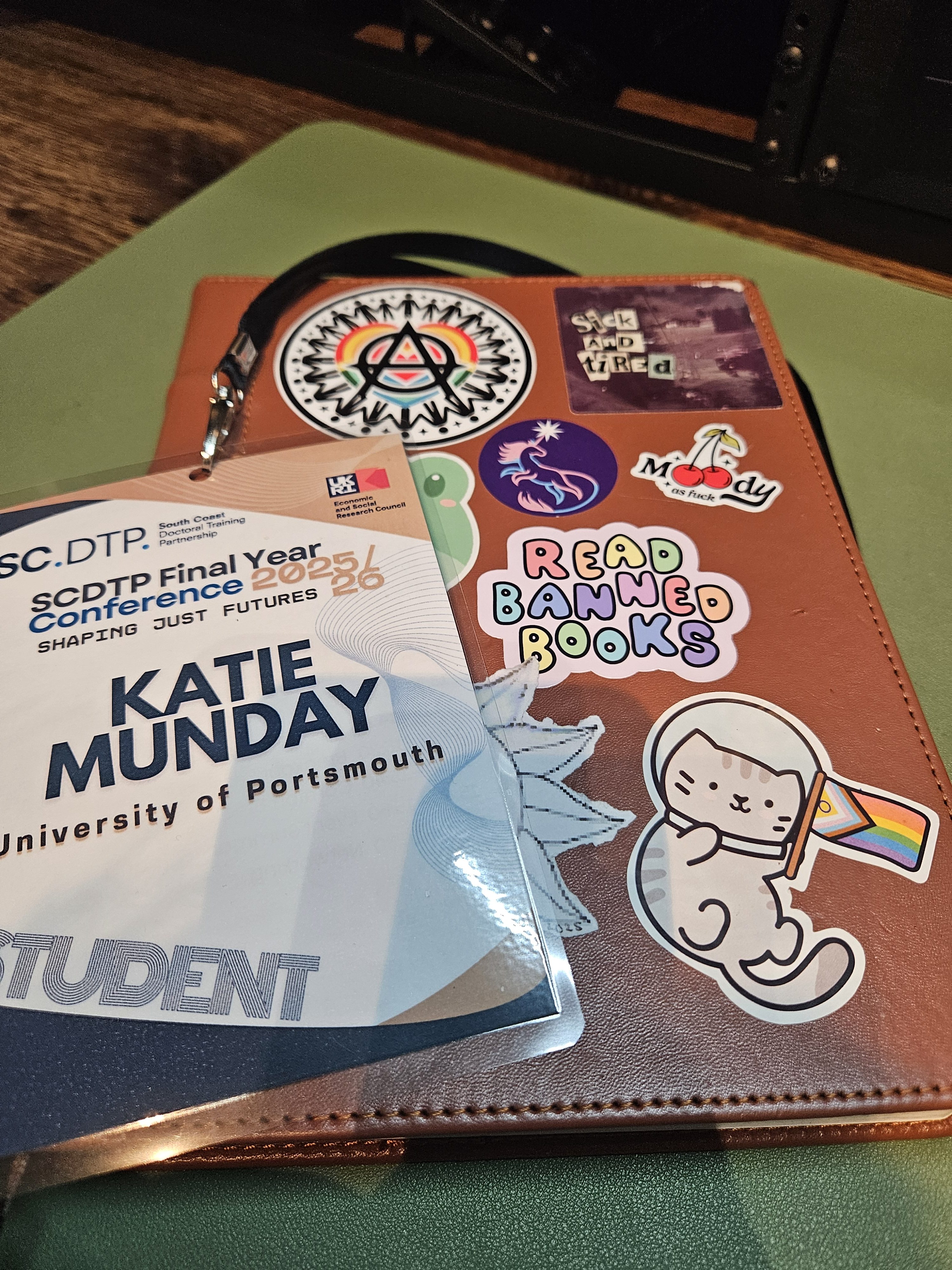
The South Coast Doctoral Training Partnership End of Year Conference 2025 focused on love and social justice in research. Dr. Maisha Islam and Mr. Pascal Matthias delivered powerful keynotes on racial equity and compassion in academia. The event fostered discussions on inclusivity, knowledge creation, and confronting institutional inequities, marking a meaningful gathering for transformative research.
-
My Research

Katie Munday, a PhD candidate at the University of Portsmouth, researches the experiences of transgender and gender-diverse autistic adults in accessing health and social care in the UK. Their community-based projects focus on healthcare accessibility, substance use in autistic individuals, and improving cancer service resources for marginalised communities.
-
Understanding Microaggressions Faced by Trans Autistic Youth

Trans autistic young people often face misunderstanding and stigma in healthcare and daily life, complicating access to gender-affirming care and support. They encounter microaggressions within both autistic and LGBTQIA+ communities, often feeling excluded. Online spaces provide crucial support and connection, enabling exploration of their identities while also posing risks. Listening and understanding are vital for…
-
Understanding Gender Creativity in Autistic Youth

This blog explores the complex relationship between gender identity and autism, highlighting how autistic young people often exhibit gender creativity that challenges traditional norms. Their unique social processing and sensory experiences encourage an authentic exploration of gender, leading to higher rates of transgender and gender-diverse identities among them. Support for this exploration is essential.