
-
Zine Promotes Allyship for Trans+ Health

The Trans Aware Cancer Care community researchers have produced a zine, “A Guide for Allies to Improve Trans+ Access to Healthcare,” highlighting systemic barriers faced by trans+ individuals when accessing cancer services. It includes personal stories and art to promote allyship, emphasising the need for supportive healthcare professionals to ensure inclusive, affirming care.
-
Embracing Flexibility in Time Management

The author reflects on their lifelong struggle with time management, stemming from an Autistic perspective. They discuss the pressures of punctuality instilled during childhood, resulting in anxiety and avoidance of situations where they might be late. Embracing their identity has led to a more relaxed approach to time, prioritising personal well-being over societal expectations.
-
Accessible Cancer Care: Lessons from Autistic Communities

Rosie Tansley and Katie Munday shared insights from their talk at Manchester Metropolitan University about improving cancer services for autistic individuals. The presentation highlighted community-based projects addressing accessibility, patient experiences, and necessary changes in care. Free tickets are available for the hybrid event on March 11th.
-
Trans Aware Cancer Care: Why Listening Saves Lives

Trans+ individuals in the UK face significant barriers in accessing cancer care, leading to lower screening rates and heightened health risks. The Trans Aware Cancer Care project highlights personal stories, emphasising the need for systemic changes, including inclusive practices and staff education. Positive interactions can improve care experiences and outcomes significantly.
-
Inclusive Cancer Care: Voices of the Disabled Community

The project led by Rosie Tansley and Katie Munday focuses on making cancer care accessible for disabled and neurodivergent individuals. Through participatory methods, it identifies barriers such as inaccessible information and poor communication, while proposing solutions that prioritise empathy and inclusivity in healthcare. Meaningful changes are essential for effective support.
-
The Power of Kindness in Healthcare

Kindness is a free yet scarce resource in healthcare, often hindered by systemic issues like staff exhaustion and bias. Sharing personal stories fosters empathy and connection, creating a sense of belonging. Community-driven research enriches understanding and advocacy, reminding us of the importance of kindness in sustaining human connection amidst challenges.
-
Transforming Cancer Care: Listening to Disabled Voices

The project with Help and Care, Wessex Cancer Alliance, and Macmillan Cancer Support highlights the inequities disabled people face within cancer services. Participants shared distressing experiences showing systemic bias and barriers. The research emphasizes the importance of listening to these voices, advocating for dignity, and fostering empathy to ensure equitable treatment for all individuals in…
-
Supporting Neurodivergent Lives: Embracing Complexity

Human beings are complex. We’re constantly changing, adapting, and responding to our environments — emotionally, mentally, and physically. For neurodivergent people, this complexity is often heightened by a world that isn’t built with their brains in mind. Supporting neurodivergent people means embracing the unpredictability and the chaos that makes us human. Chaos theory reminds us…
-
How a Walking Stick Changed My Life with Chronic Illness

The author reflects on their journey with a walking stick, stemming from a past conversation about internalized ableism. Using the stick has improved mobility, reduced pain, and fostered support from others. They’ve encouraged others to consider mobility aids, highlighting the benefits of trying second-hand options while emphasizing a journey of self-acceptance and stress reduction.
-
Transforming Cancer Services: Voices of the Neurodivergent
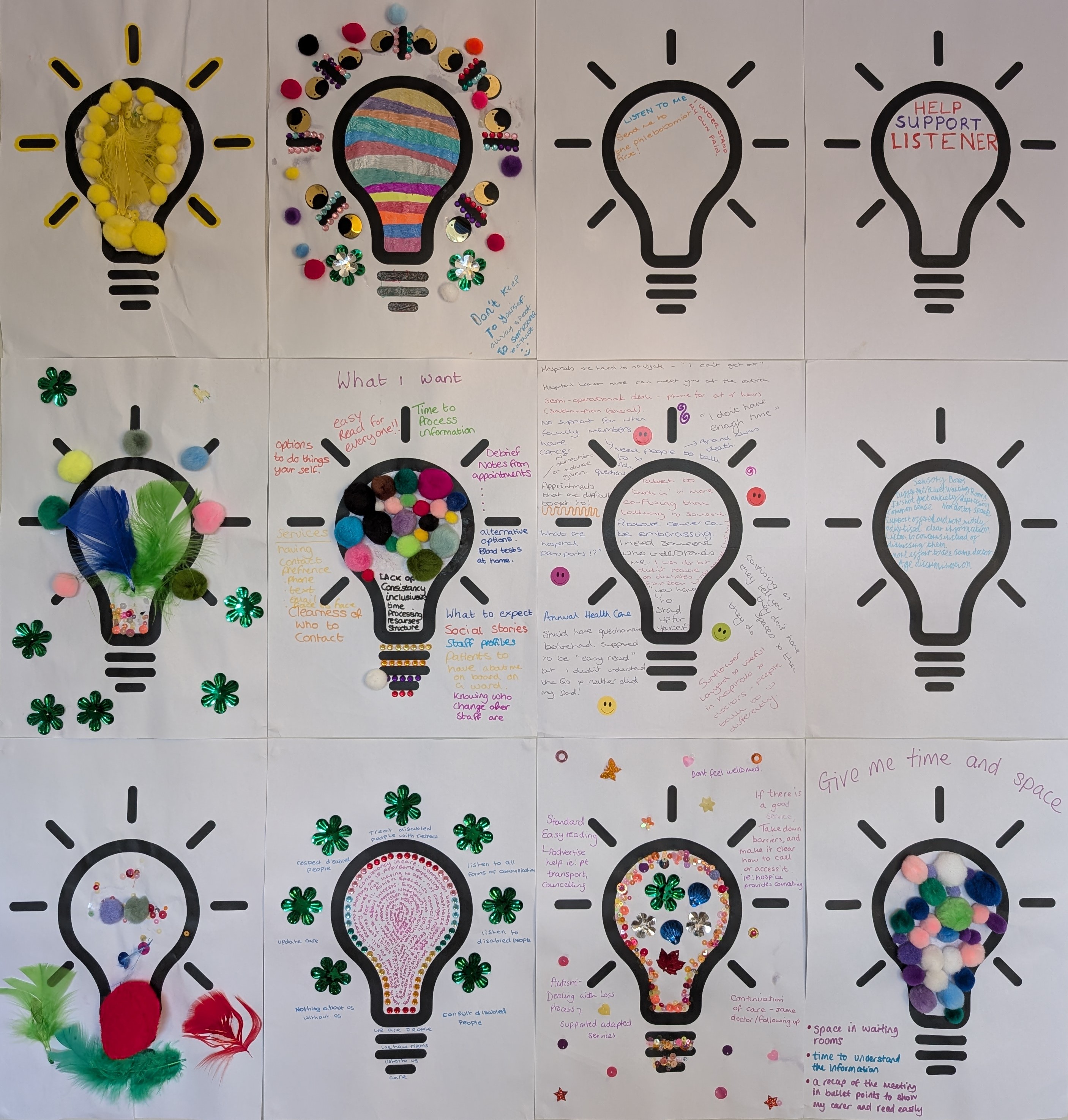
In 2023, the project “What I’d Like to Say” project examined the experiences of disabled and neurodivergent individuals with cancer services. Following the initial findings, phase two focused on solutions, gathering suggestions for improvement through discussions and art-based methods. A new screening project aims to enhance service experiences for marginalized communities.