
-
UK cervical screening: What you need to know

Today, I went for a routine cervical screening. In the UK people aged 25-49 receive invitations every 3 years and people aged 50-64 receive invitations every 5 years. I was invited via letter and popped into my surgery to get it booked in. I wanted to share my experience today for people who may have not…
-
All body types belong in sport

As a wheelchair basketball coach, I am a strong proponent of the idea that all body types and bodyminds can engage in sports at all levels and should be given the means to do this safely and meaningfully. Physical exercise and movement is a human right. It belongs to all humans. The question should not…
-
What comes under the “Neurodivergent” umbrella?

In short, probably more than most of us think! Kassiane Asasumasu, coined the term neurodivergent in the late 1990s / early 2000s, stating that the term included those “Whose neurocognitive functioning diverges from dominant societal norms in multiple ways” and should therefore not be used to exclude people but to include them. In more recent…
-
What is Rejection Sensitive Dysphoria?

Rejection Sensitive Dysphoria (RSD) causes intense emotional distress from perceived rejection or failure, possibly linked to neurodivergence. This may lead to interpreting ambiguous interactions as rejection, anxiety before rejection, and intense emotional responses. RSD may result from a combination of genetic and environmental factors. Symptoms include self-consciousness, depression, low self-esteem, and people-pleasing.
-
Coaching wheelchair basketball as an “able-bodied” person

I have coached wheelchair basketball for over eight years, I do this alongside another fantastic coach and some truly dedicated volunteers. Our players have different backgrounds, abilities and disabilities, ages and gender. It is one of my favourite parts of my working week and I don’t talk about if often enough. I wonder what puts…
-
Helping our younger selves

The author shares the challenges of being a neurodivergent person who wants to support others like them. They express frustration at not being taken seriously in conversations about neurodivergent children, and highlight the harmful impact of society’s attitudes. They emphasize the need for genuine understanding and support for neurodivergent individuals and their families.
-
OCD: Shame and affirmation

The need for OCD-affirming spaces is highlighted, emphasizing the validity of identities and experiences. The author shares their challenges with OCD treatment options, including problematic experiences with CBT and the complexities of medication. Online OCD spaces often fail to provide meaningful support, and misconceptions about OCD perpetuate shame and ableism. The urgent call for creating…
-
Trans Aware Cancer Care: My reflections on the first workshop
The first session of Trans Aware Cancer Care happened last weekend at the Seacity Museum in Southampton, and it was brilliant! We spoke to 10 different people about their experiences of cancer services, and their experiences in life generally. We had some tears, and a lot of love and laughter too. TACC made some amazing…
-
Trans and Autistic: Disability, neurodivergence and transness

This is the transcript from Tranvox on disability, neurodivergence and transness, which can be found here. Gillian: Hi and welcome back to the next edition of Transvox. No Jenny today but sitting in front of me is Katie Munday – so welcome! Katie: Hello, and thanks for having me again. Gillian: So, Katie tells us…
-
Creating Safe Spaces book review
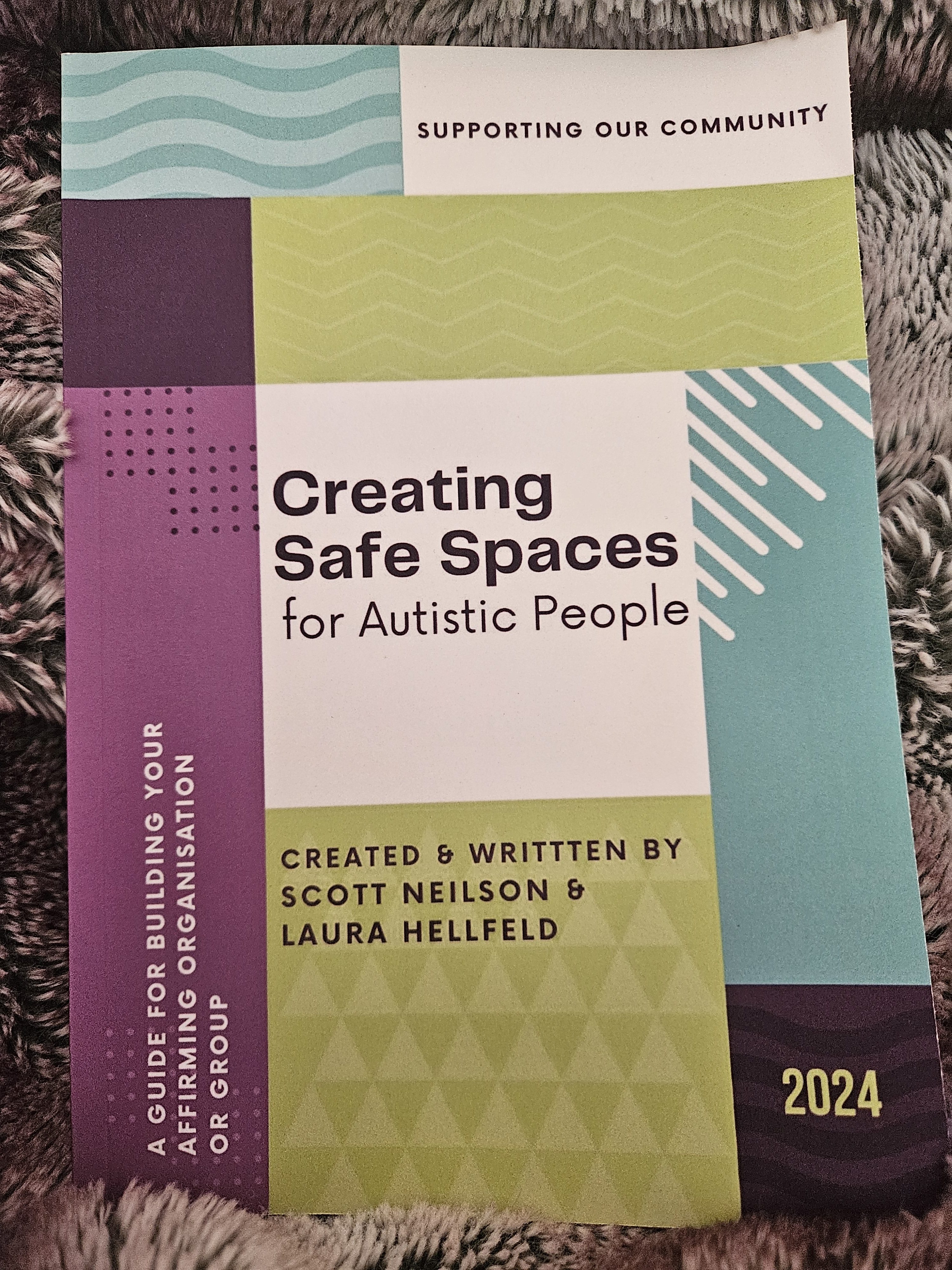
“Creating Safe Spaces for Autistic People” by Scott Neilson and Laura Hellfeld provides a comprehensive guide for establishing inclusive environments. The authors, along with other autistic advocates, address topics such as language use, participant support, and accessibility. Ranging from sensory tools to public transport guidance, this well-structured resource is valuable for professionals supporting autistic individuals.