
-
Breaking Down Single-Issue Advocacy in Autism

The author reflects on their autistic experience, acknowledging a narrow viewpoint shaped by privilege and a lack of humility. They discuss past mistakes in advocacy, emphasising the need for inclusivity and understanding within the autistic community. Recognising the interconnectedness of various oppressions, they advocate for embracing diverse experiences and identities among autistic people.
-
Supporting Trans Autistic Young People in Schools

Schools play a crucial role in shaping the identities and wellbeing of transgender and gender-diverse Autistic youth. Supportive environments promote self-esteem and mental health, while unsupportive settings lead to serious consequences. By fostering understanding, implementing inclusive practices, and prioritizing diverse education, schools can help these individuals thrive academically and socially.
-
Challenging Illusions of Inclusivity in Workspaces
Through my deepening journey with social justice I feel I am finally opening my eyes. With this new found clarity I am no longer able to be in spaces where people don’t champion and validate diversity and prioritise the psychological safety of all within their space. This includes the psychological safety of Global Majority people,…
-
Improving Cancer Care for Trans+ Individuals

Trans Aware Cancer Care is concluding its initial phase, focusing on the experiences of trans+ individuals with cancer services. Participants created expressive squares to form a large trans flag, which will be showcased in hospitals. The project emphasizes the need for inclusivity, sensitivity, and normalizing pronoun sharing in healthcare practices to enhance trans+ patient experiences.
-
Neurodivergent or neurodiverse? Why getting it right really matters

It might seem nit-picky when people talk about the importance of using ‘Neurodivergent’ and ‘Neurodiverse’ correctly. However, there is a social and political reason why it is important for us to get the distinction between these two words correct, especially for academics and neurodivergent (ND) organisations. Neurodiversity – includes everyone, including neurotypical / neuromajoritives. Neurodivergence…
-
Neurodivergent and queer-affirming spaces and practice

As discussed in David’s Divergent Discussions: Queer- and Neuro- Affirming Spaces and Practice creating safer spaces for those who are both queer and neurodivergent is both simple and complex. The things which benefit us will also benefit many others. Yet our very existence means some people we share spaces with must reflect on their own…
-
Neurodivergent and queer: Coming out twice

As people who are both neurodivergent and queer, we have to make the continuous difficult decision of coming out. Who to tell, when to tell, how much to tell and what we want from revealing parts of ourselves. Keeping safe How do we know that who we are sharing our identities and our experiences with…
-
Coaching wheelchair basketball as an “able-bodied” person

I have coached wheelchair basketball for over eight years, I do this alongside another fantastic coach and some truly dedicated volunteers. Our players have different backgrounds, abilities and disabilities, ages and gender. It is one of my favourite parts of my working week and I don’t talk about if often enough. I wonder what puts…
-
Creating Safe Spaces book review
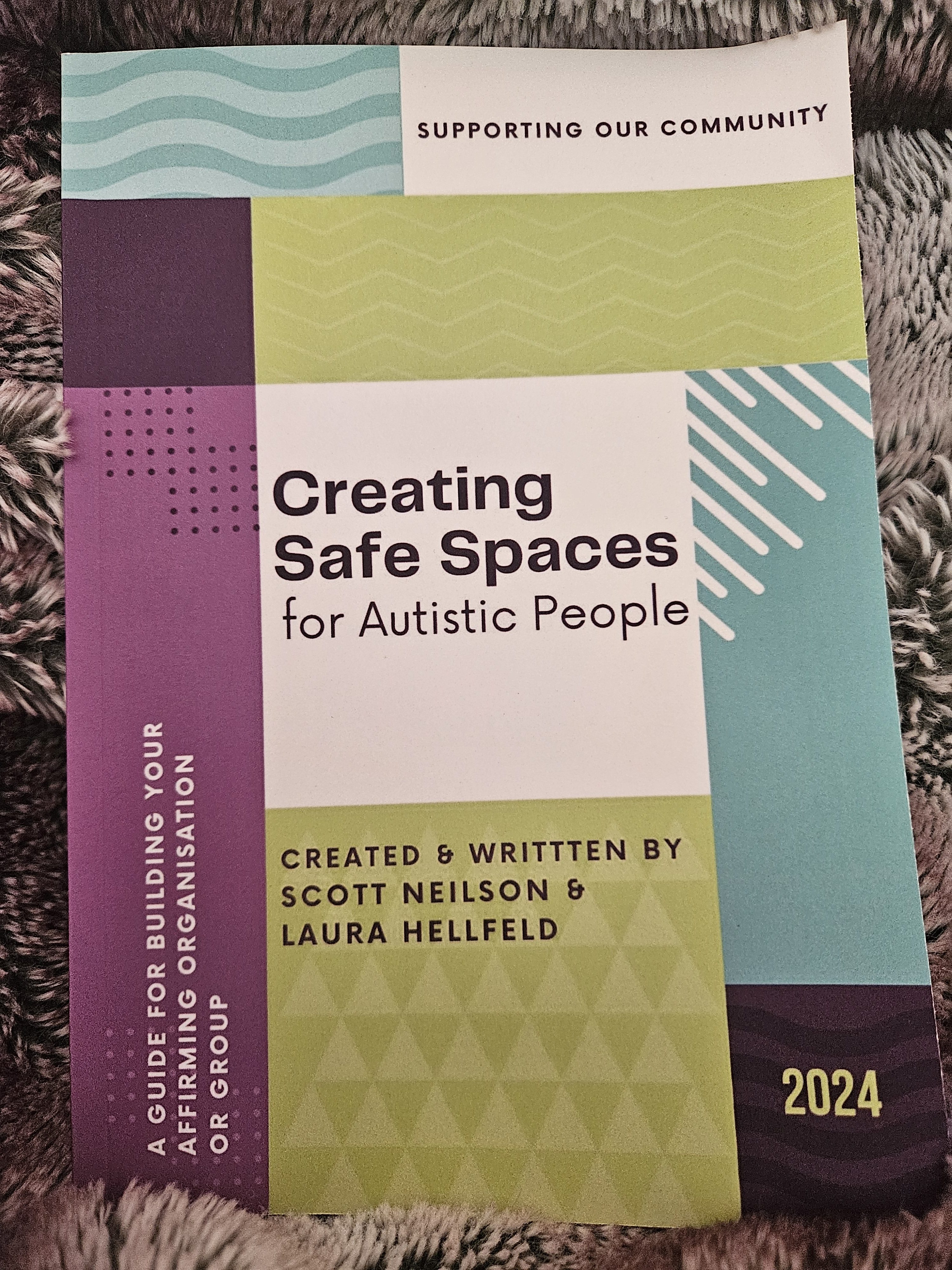
“Creating Safe Spaces for Autistic People” by Scott Neilson and Laura Hellfeld provides a comprehensive guide for establishing inclusive environments. The authors, along with other autistic advocates, address topics such as language use, participant support, and accessibility. Ranging from sensory tools to public transport guidance, this well-structured resource is valuable for professionals supporting autistic individuals.
-
LGBTQIA+ and Autistic: Community and belonging
This article, originally from Autistic Revolution magazine, addresses the intersection of LGBTQIA+ and Autistic identities. The author explains their personal connection to both spectrums and discusses the challenges faced, including discrimination in LGBTQIA+ and Autistic spaces. They emphasize the importance of creating inclusive spaces and embracing diverse identities.