
-
All body types belong in sport

As a wheelchair basketball coach, I am a strong proponent of the idea that all body types and bodyminds can engage in sports at all levels and should be given the means to do this safely and meaningfully. Physical exercise and movement is a human right. It belongs to all humans. The question should not…
-
Neurodivergent and queer: Coming out twice

As people who are both neurodivergent and queer, we have to make the continuous difficult decision of coming out. Who to tell, when to tell, how much to tell and what we want from revealing parts of ourselves. Keeping safe How do we know that who we are sharing our identities and our experiences with…
-
Exploring the Experiences of Autistic Transgender and Non-Binary Adults in Seeking Gender Identity Healthcare [plain language summary]
![Exploring the Experiences of Autistic Transgender and Non-Binary Adults in Seeking Gender Identity Healthcare [plain language summary]](https://autisticltd.co.uk/wp-content/uploads/2023/06/352729463_590181339887006_957957002383329901_n.jpg)
This blog gives you a summary of the work created by Harley Bruce, Katie Munday (me), and Steven Kapp. The aim of our study was to get a deep understanding of autistic transgender and/or non-binary adults’ experiences in accessing, or trying to access, gender identity healthcare. There are very few research articles which focus on…
-
Check list for UK Pride events

-
Trans and Autistic: Disability, neurodivergence and transness
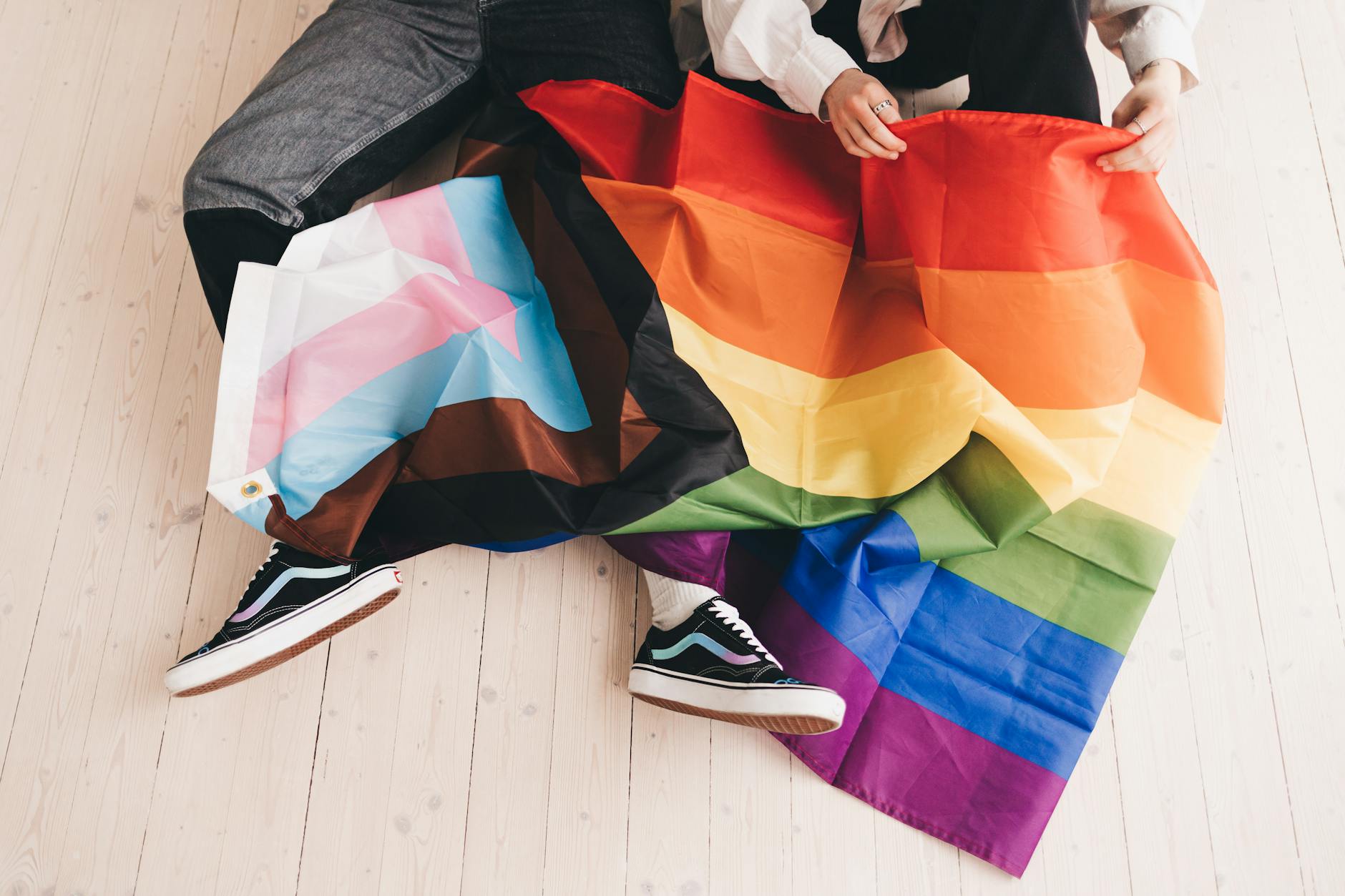
This is the transcript from Tranvox on disability, neurodivergence and transness, which can be found here. Gillian: Hi and welcome back to the next edition of Transvox. No Jenny today but sitting in front of me is Katie Munday – so welcome! Katie: Hello, and thanks for having me again. Gillian: So, Katie tells us…
-
Creating Safe Spaces book review
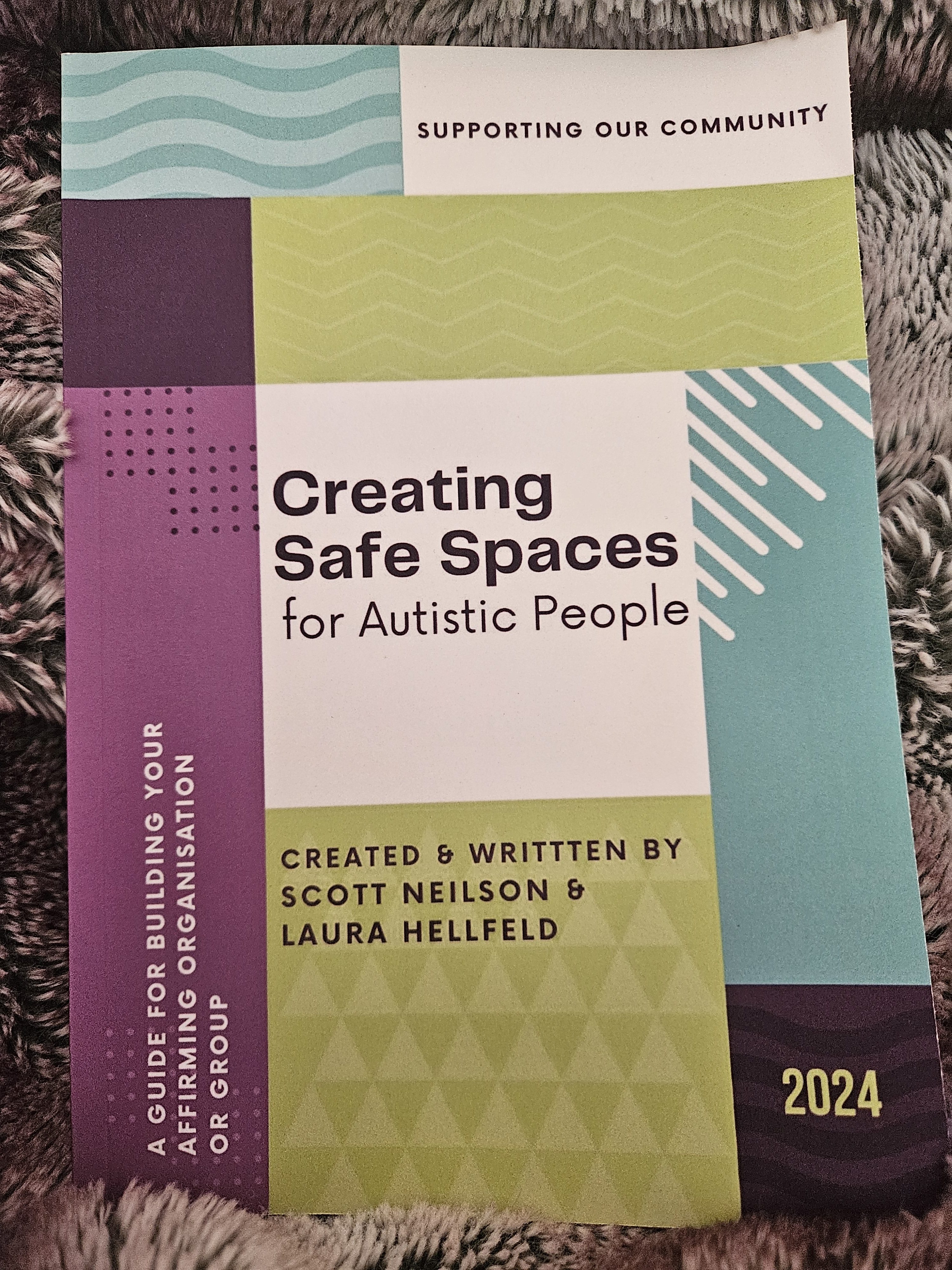
“Creating Safe Spaces for Autistic People” by Scott Neilson and Laura Hellfeld provides a comprehensive guide for establishing inclusive environments. The authors, along with other autistic advocates, address topics such as language use, participant support, and accessibility. Ranging from sensory tools to public transport guidance, this well-structured resource is valuable for professionals supporting autistic individuals.
-
No, Joe Wicks, ADHD isn’t a dietary issue

Joe Wicks, aka The Body Coach, has recently suggested (on a BBC podcast) that the “surge” in childhood ADHD diagnoses is linked to poor diet. He shared: “Looking back now, there’s no doubt the food I was eating was directly linked to my behaviour. I was never diagnosed with ADHD, but I think nowadays it’s…
-
LGBTQIA+ and Autistic: Community and belonging
This article, originally from Autistic Revolution magazine, addresses the intersection of LGBTQIA+ and Autistic identities. The author explains their personal connection to both spectrums and discusses the challenges faced, including discrimination in LGBTQIA+ and Autistic spaces. They emphasize the importance of creating inclusive spaces and embracing diverse identities.
-
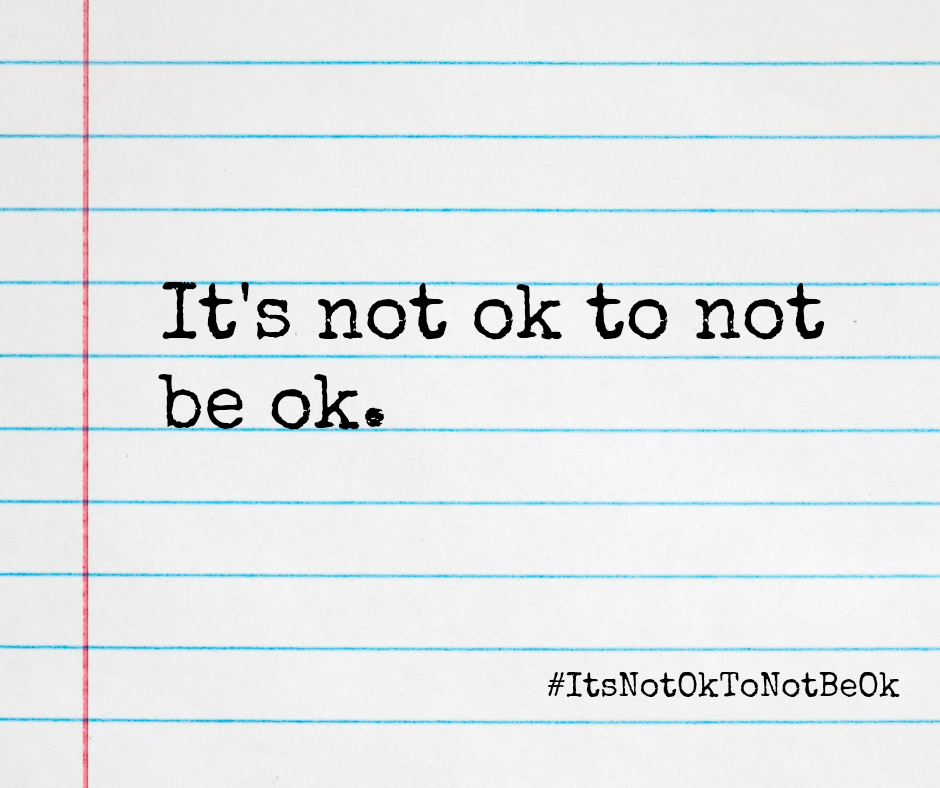
It’s not ok to not be ok
-
One does not simply walk into the doctors

There are too many steps to take before Disabled people get through the door at doctors’ surgeries or hospitals. We must unravel our feelings and experiences from those of our usual symptoms of chronic illness. Then we must muster up the energy to book an appointment, if we use AAC this can be even more…