
-
Enhancing Accessibility in Substance Use Services for Autistic Clients
This report examines the accessibility of substance use services in Portsmouth for autistic individuals, emphasising the need for tailored environments and continual staff learning. It highlights systemic barriers, advocating for ongoing neurodiversity training and the adoption of the SPACE framework. The findings show accessible care is achievable through collaboration with autistic communities.
-
Understanding Double Empathy in TGD Autistic Healthcare

The blog discusses healthcare inequities faced by gender diverse autistic adults, emphasizing the Double Empathy Problem. It highlights systemic barriers, biases in healthcare, and the challenges posed by transmedicalism. Recommendations for practitioners include checking biases, using inclusive language, and valuing lived experiences to foster equitable healthcare environments.
-
Transforming Care: Benefits of Neuro-Affirming Approaches

Neuro-affirming practice involves unlearning harmful methods and embracing neurodiversity as valid. It emphasizes inclusive, empathetic approaches that respect individual autonomy and lived experiences. Practitioners should adapt their methods to support neurodivergent clients, fostering an environment of trust and safety through continuous reflection and advocacy for systemic change.
-
Enhancing Accessibility for Autistic Clients in Substance Use Services

I am part-way through my SCDTP internship with Portsmouth City Council, focusing on enhancing accessibility for Autistic clients in substance use services. Utilising findings from the Autistic Substance Use Network, I am auditing training and Recovery Hub environments while collaborating with LGBTQIA+ recovery workers to develop a comprehensive accessibility blueprint.
-
The Importance of Accessibility at London Trans+ Pride
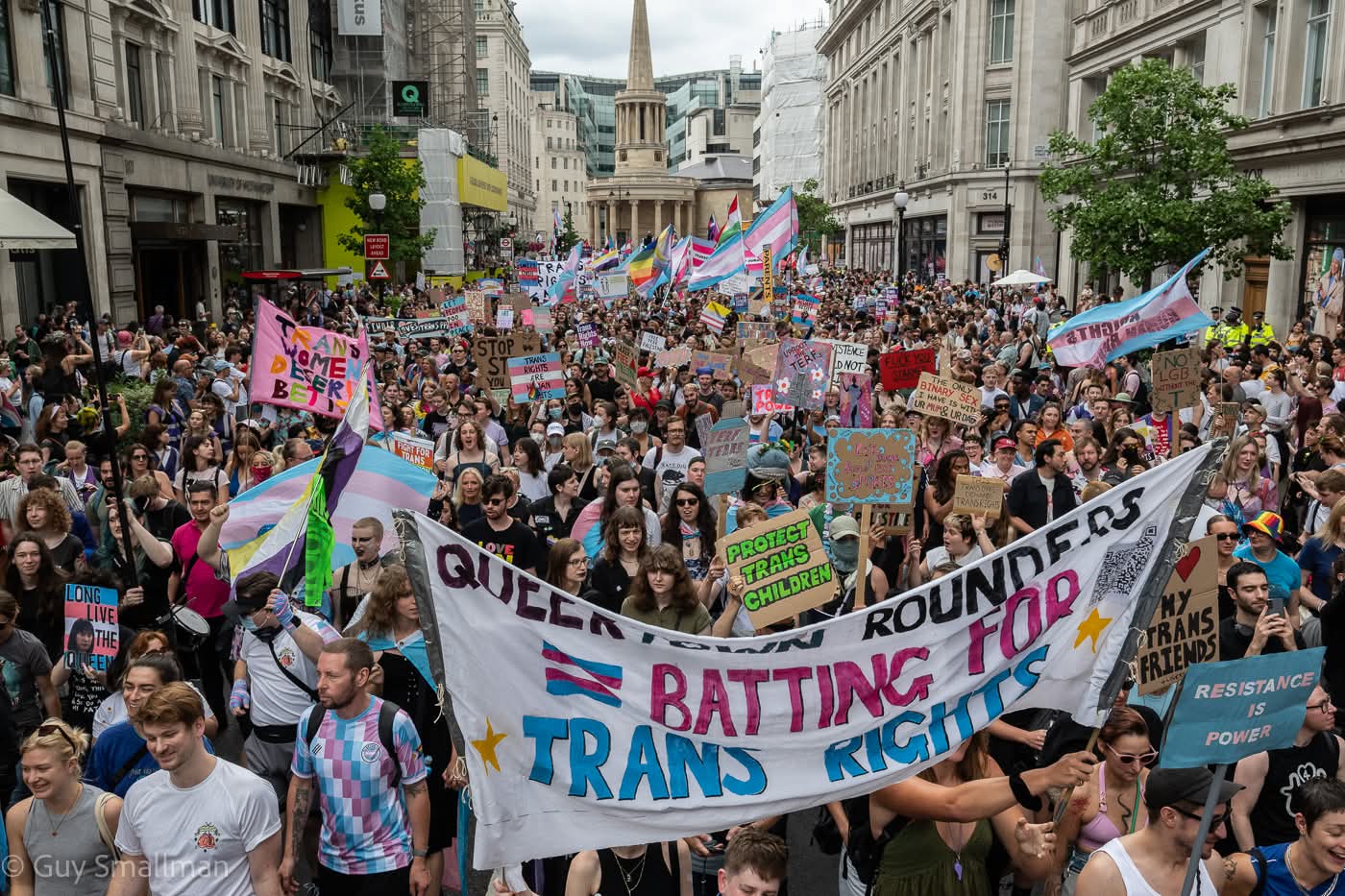
I attended my first London Trans+ Pride with a friend, experiencing an accessible event that drew over 100,000 people. Highlights included an Accessible Bloc, interpreter support, and designated quiet spaces. The march emphasized solidarity, joy, and inclusivity, ensuring everyone could participate fully. I look forward to returning next year.
-
Transforming Cancer Services: Voices of the Neurodivergent
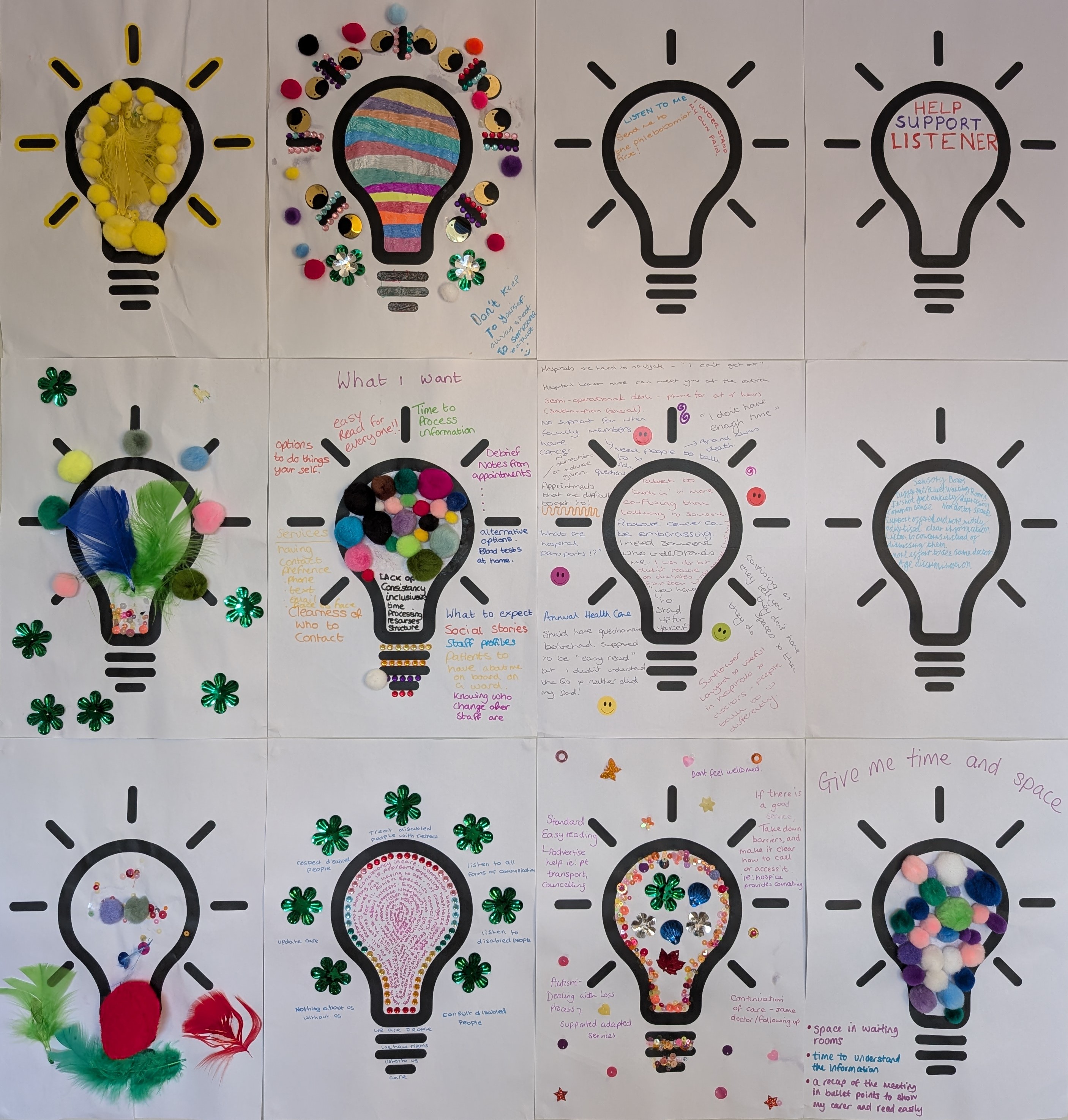
In 2023, the project “What I’d Like to Say” project examined the experiences of disabled and neurodivergent individuals with cancer services. Following the initial findings, phase two focused on solutions, gathering suggestions for improvement through discussions and art-based methods. A new screening project aims to enhance service experiences for marginalized communities.
-
Exploring Crip Theory: Insights from Our Hybrid Symposium

The symposium “The Intersections of Sociology with Crip Theory, Critical Disability Studies, and Mad Studies” was held on June 11, led by PhD students Robin Skyer, Fraedan Mastrantonio, and the author. It featured keynote speakers, panel discussions, and creative workshops, fostering connection among participants interested in these critical fields.
-
Cervical Screening for Trans+ Autistic people: A Self-Advocacy zine
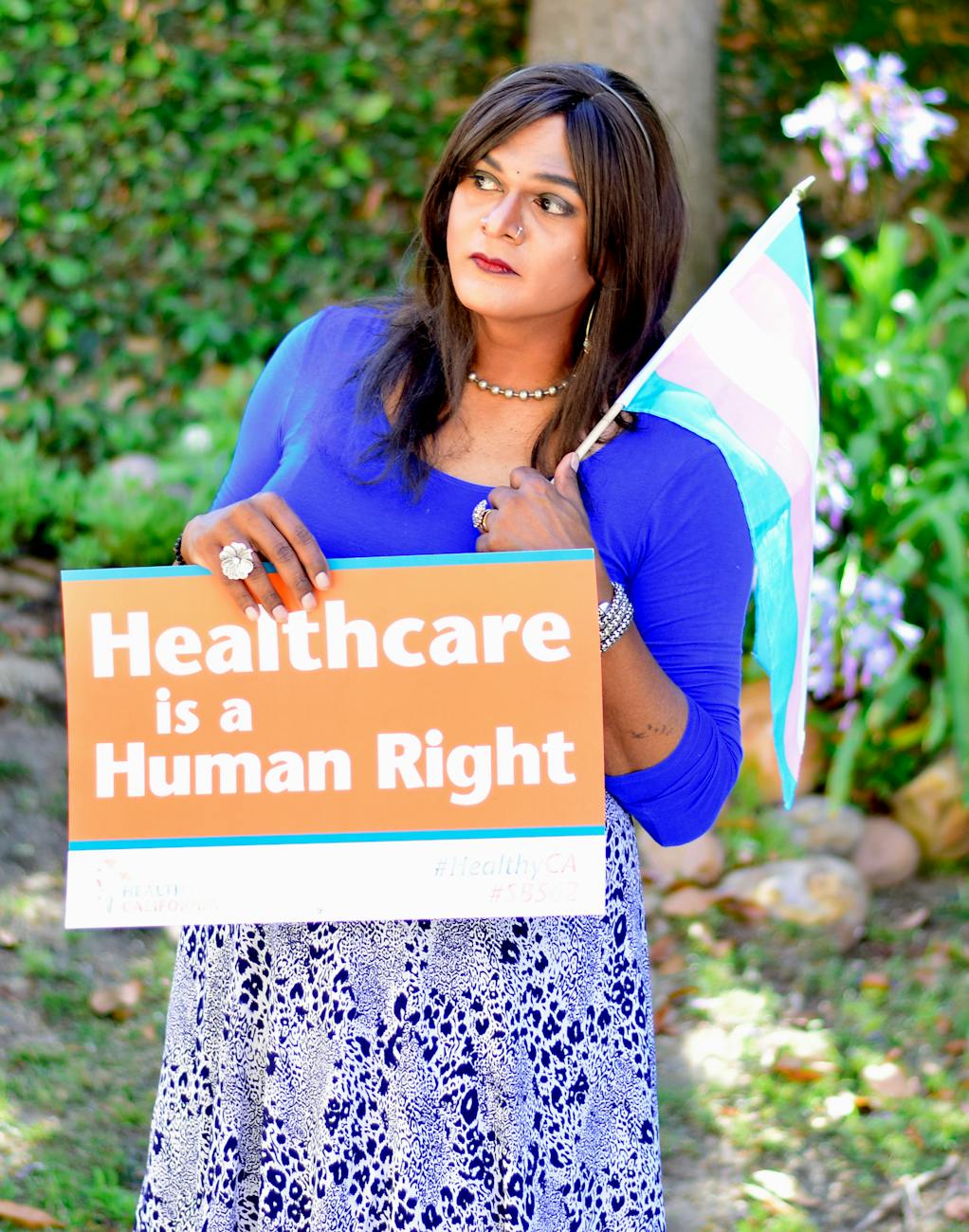
Georgia Rivers and I have created a zine for trans+ Autistic people to be informed on their rights when thinking about, or engaging in cervical screening in the UK. The zine can be found here at Heyzine. And now available in print with a sliding scale price. Get your copy at Penfight. Text from the…
-
Joy and Accessibility: A Path to Thriving

The author emphasizes the importance of accessing joy beyond basic necessities like work and healthcare. They share personal experiences in community spaces that foster laughter and connection, particularly within marginalized groups. Amidst societal challenges, the need for joyful, inclusive environments is highlighted, arguing that thriving should be a priority alongside survival.
-
Challenging Illusions of Inclusivity in Workspaces

Through my deepening journey with social justice I feel I am finally opening my eyes. With this new found clarity I am no longer able to be in spaces where people don’t champion and validate diversity and prioritise the psychological safety of all within their space. This includes the psychological safety of Global Majority people,…