
-
Prosopagnosia – face blindness

-
What does the DSM say about ADHD?

The Diagnostic and Statistical Manual of Mental Disorders (the DSM) is published by the American Psychiatric Association (APA) and is used to classify cognitive differences. It covers many different neurotypes and mental health issues including schizophrenia, bi-polar, gender dysphoria, and autism. It is used across the USA and UK and anyone who has been formerly diagnosed…
-
Alexithymia: emotional processing ‘gone wrong’

-
The switching of the flags: Pride take 2

-
The price of ‘functioning’

-
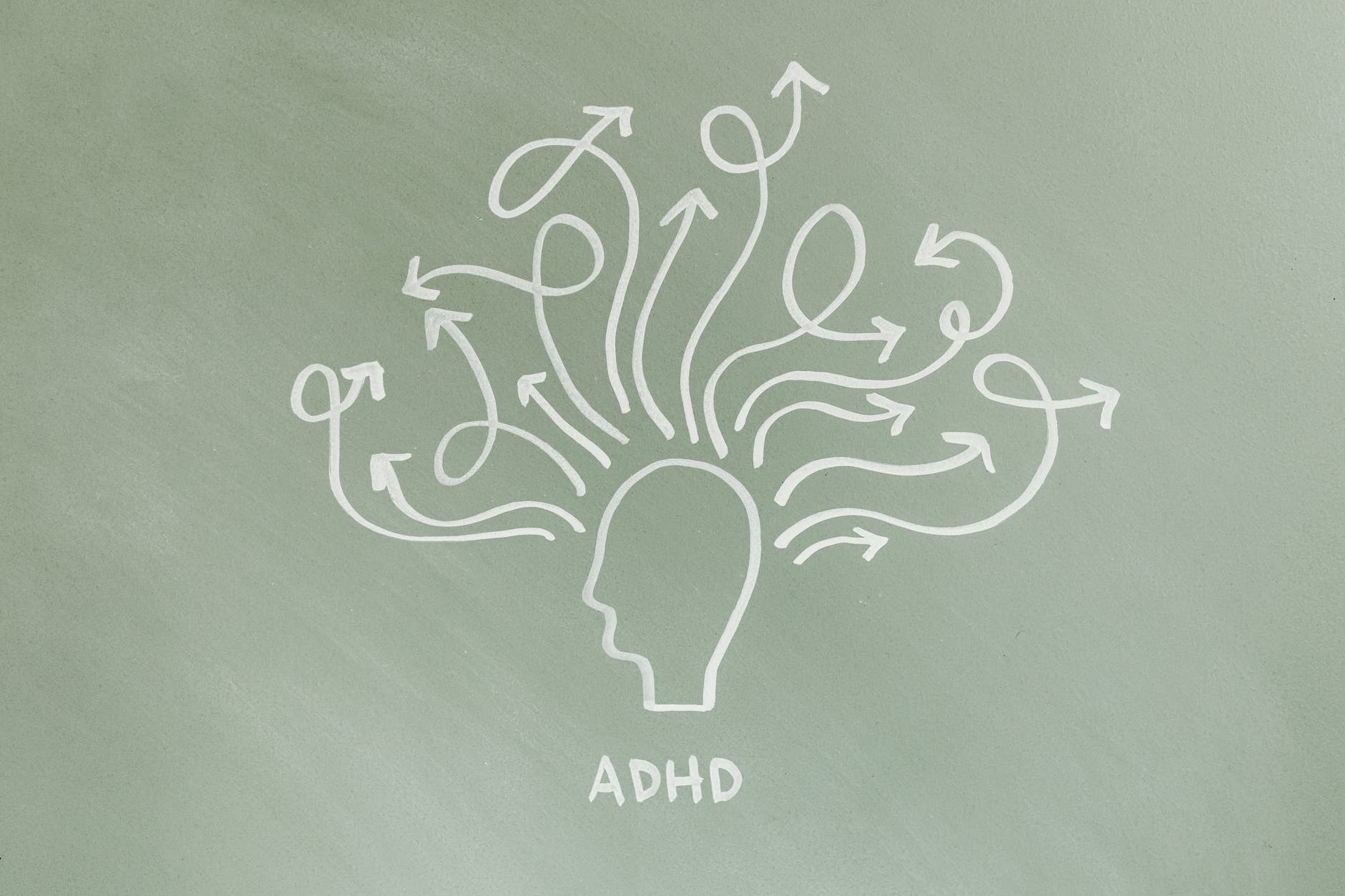
Attention hyperactivity: ditching the ‘disorder’ and ‘deficit’
-
Alexithymia and interoception: What the Hell is going on!?

Alexithymia is a condition or difference, which roughly translates in ancient Greek as “no words for emotions.” People who experience alexithymia can have difficulty identifying feelings, describing feelings to others and distinguishing between feelings and the bodily sensations of emotional arousal. Alexithymia is a common experience for us Autistic folk – I have issues with…
-
My relationship with OCD

Content warning: abuse, cPTSD, intrusive thoughts, self harm. I don’t talk about my OCD very often. Its a very difficult thing to talk about. It sounds both baffling, ridiculous and very scary, and that’s because it is. I have several intrusive thoughts, from one or two a day to near constant. I think about old…
-
What’s spoons got to do with it?

Spoon theory is a metaphor used by people with chronic illness and / or neurodivergence. Spoon theory suggests that: * A person has roughly the same amount of energy each day – each unit of energy is represented by a spoon. This amount may be changed by previous activity or inactivity and can be changed…