
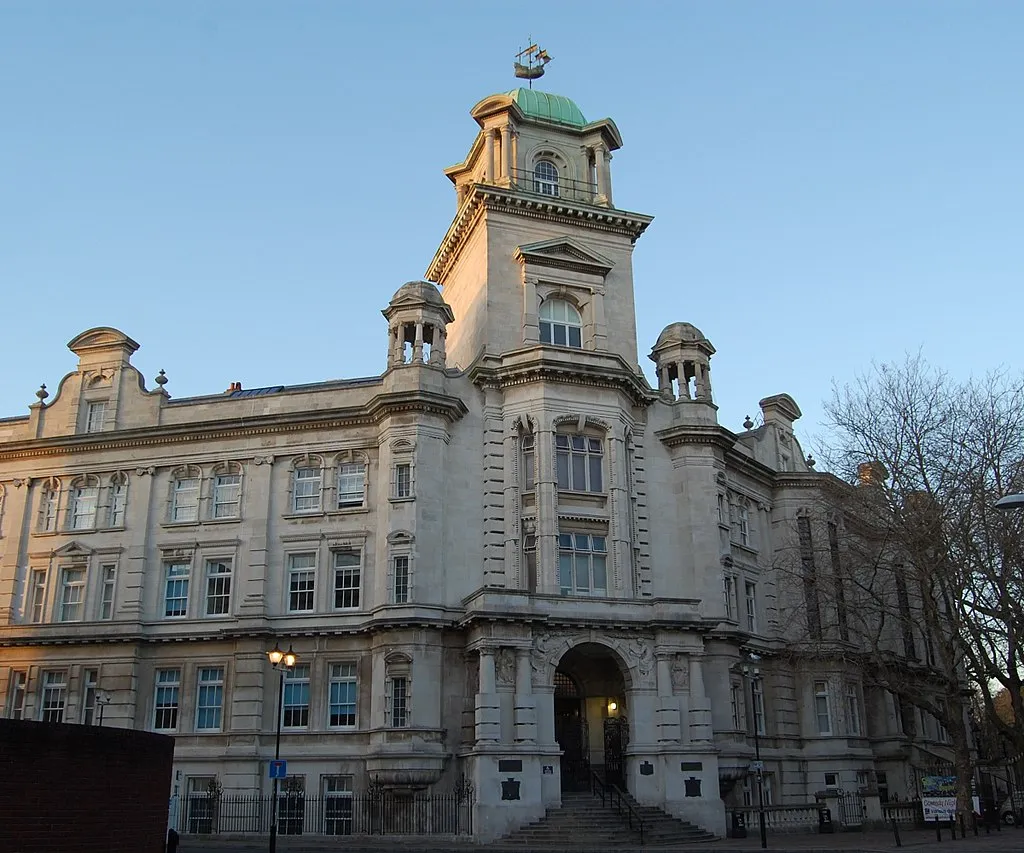
Earlier this month, I was honoured to share space with some amazing thinkers, activists and researchers at Past Lessons, Current Challenges and Future Horizons: (In)equalities in Post-Compulsory Education. This mini-conference focused on the current challenges in post-compulsory education. Drawing on past and ongoing forms of resistance and transformation, it opened the door to reimagine the future. This was an Education, Social Justice, and Transformation research group event funded by CEISR.
The morning keynote, One Hundred Years of Fighting Inequality in Higher Education: Access, Belonging and Struggle, by Historian Dr Jodi Burkett, set the scene for the day nicely..This was followed by three parallel sessions, which were difficult to choose between!
I landed in Room 2.19, listening to Thirsha de Silva‘s talk on Navigating Care-Less Systems as the Outcasts – sharing her findings from interviewing overseas post-graduate researchers, sharing about the “soft and subtle racism” that is experienced by this group, as well as more explicit racial violence.
You belong as long as you’re not upsetting the sensibilities of the constituents
– Thirsha de Silva
This was followed by a really interesting talk by Natalia Cama titled “Expressions of Femininity among Women Academics in UK Universities.” This talk explored participants’ experiences of being misunderstood, overlooked, and harassed based on their feminine expressions, with more feminine-presenting participants also experiencing sexual harassment from male staff and students.
Some participants first felt that they didn’t fit the criteria due to being unfeminine but I understand femininity as a spectrum, and we all sit along it somewhere
– Natalie Cama
This session was rounded off by Rosa Marvell and Carli Rowell speaking on You are What you Speak: Working-Class Postgraduate Women’s Experiences of
Accentism in the Academy. This was interesting for many reasons, not least that the data came from two previous works that were looking at different areas – a good reminder that people’s stories can tell us a multitude of different things if we are allowed to sit with the data for long enough.
The British have this weird obsession with class
– Rosa Marvell

After lunch spent with warm company, it was my turn to share some ponderings! Back in room 2.19, I gave a talk titled “Between Research and Resistance: Insights from a Trans Neurodivergent PhD Student.” Throughout my talk, I ask myself, and those I shared the space with, who is believed? And who is worthy of being believed? Who is palatable? What works within the systems that currently exist?

My talk was followed by Kris Nolan’s presentation, Did Section 28 Act as an Enabler of Student Activism? Kris shares his wealth of knowledge on this area, having analysed over 3,000 student newspapers to reach his findings. Rebecca Godwin rounded off the afternoon session, presenting on the Value of the Student Voice. Rebecca concluded that student voice remains as relevant as ever, but there needs to be changes in the way it is collected, understood, and enacted. I couldn’t agree more.

Our last session of the day was a keynote speech and workshop on Generative Artificial Intelligence as a Mediator of Inequalities: A Call for Co-Curating the
Future Landscape of Higher Education by Dr Achala Gupta. This session raised more questions than it answered, which reflects where we are in education in the age of Gen AI. We are all trying to grasp the present and future of education with different levels of knowledge, trust and energy. And this looks different when we are marking work written by neurodivergent students and/or students who have English as an additional language.
Neurodivergent ways have been put in the bin.
– Dr Odi Okaka Oquosa
Past Lessons, Current Challenges and Future Horizons: (In)equalities in Post-Compulsory Education was a day filled with interest and joy. It was a pleasure to present, listen to, and share space with such clever, courageous and warm company.
Thank you to Rosa Marvell and Charlotte Morris for having me, no doubt this is just the beginning.