
-
I Was Always Here: A Journey Through Trans+ Histories
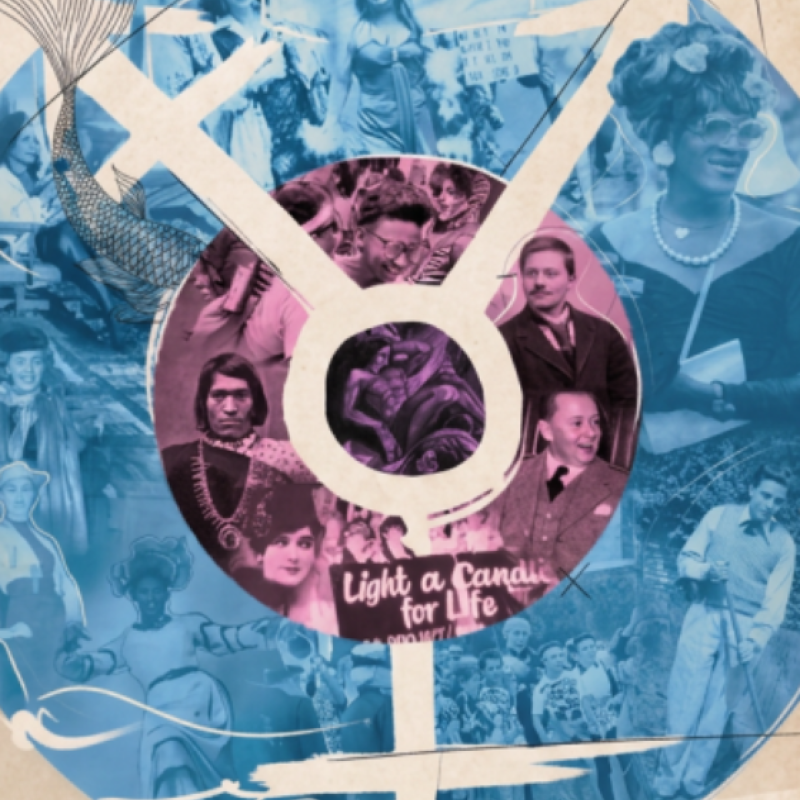
Theatre for Life and Beyond Reflections present “I Was Always Here,” a verbatim show celebrating trans+ narratives across generations. Integrating music and cabaret, the production highlights trans+ history and contemporary issues, receiving positive audience feedback for its emotional depth and intersectionality. Tickets are available for upcoming performances in London and Portsmouth.
-
The Power of Collaborative Thematic Analysis in Trans Research

The author’s PhD research involves analysing health and social care experiences with four trans and gender diverse co-researchers. Initially concerned about coordination, the collaboration has proved rewarding, enhancing understanding of shared experiences. The team is now writing a paper on their findings, demonstrating the power of participatory action research.
-
Key Insights from the (In)equalities Education Conference
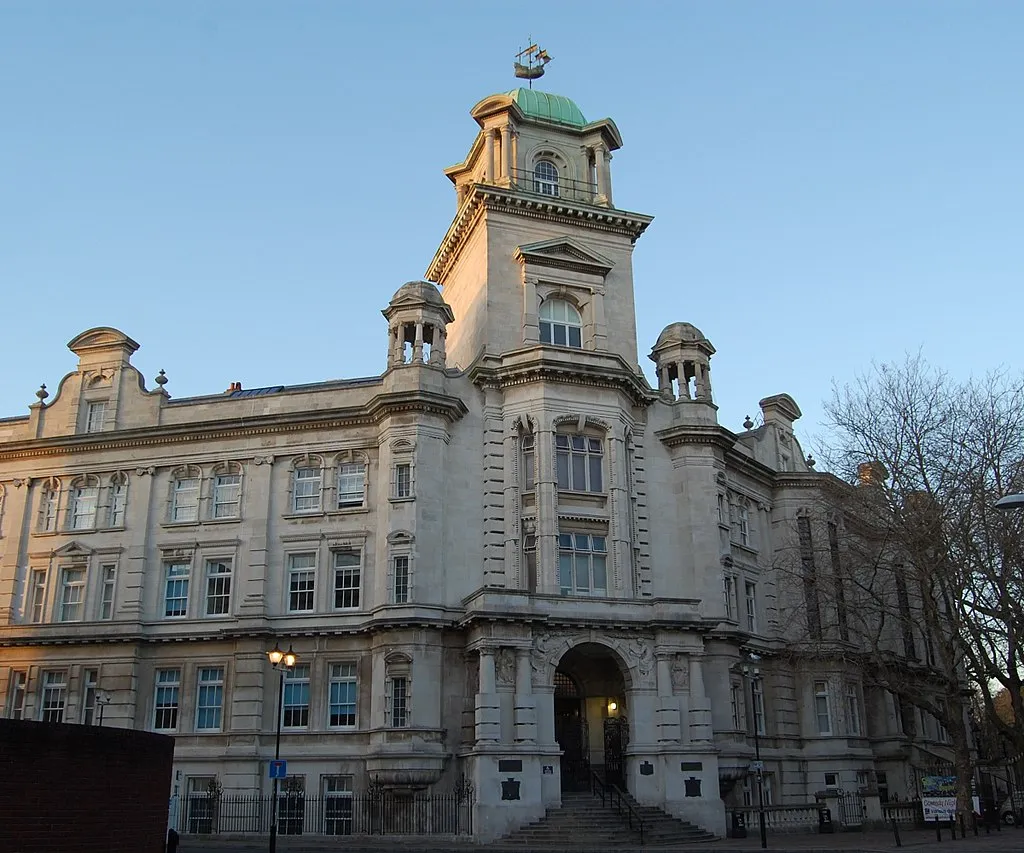
Earlier this month, I was honoured to share space with some amazing thinkers, activists and researchers at Past Lessons, Current Challenges and Future Horizons: (In)equalities in Post-Compulsory Education. This mini-conference focused on the current challenges in post-compulsory education. Drawing on past and ongoing forms of resistance and transformation, it opened the door to reimagine the…
-
Trans+ Creative Workshops: Reflections and Poems

-
Understanding Belonging: A Summary of Recent Trans Autistic Research

The study examines the experiences of transgender and gender diverse autistic adults regarding belonging and exclusion across three levels: macro (workplaces), meso (healthcare, education), and micro (personal relationships). It highlights the complexity of their experiences influenced by systemic ableism and transphobia, advocating for structural changes to enhance inclusivity and supportive environments.
-
My Research

Katie Munday, a PhD candidate at the University of Portsmouth, researches the experiences of transgender and gender-diverse autistic adults in accessing health and social care in the UK. Their community-based projects focus on healthcare accessibility, substance use in autistic individuals, and improving cancer service resources for marginalised communities.
-
Supporting Trans Autistic Young People in Schools

Schools play a crucial role in shaping the identities and wellbeing of transgender and gender-diverse Autistic youth. Supportive environments promote self-esteem and mental health, while unsupportive settings lead to serious consequences. By fostering understanding, implementing inclusive practices, and prioritizing diverse education, schools can help these individuals thrive academically and socially.
-
Understanding Microaggressions Faced by Trans Autistic Youth

Trans autistic young people often face misunderstanding and stigma in healthcare and daily life, complicating access to gender-affirming care and support. They encounter microaggressions within both autistic and LGBTQIA+ communities, often feeling excluded. Online spaces provide crucial support and connection, enabling exploration of their identities while also posing risks. Listening and understanding are vital for…
-
Trans Aware Cancer Care: Why Listening Saves Lives

Trans+ individuals in the UK face significant barriers in accessing cancer care, leading to lower screening rates and heightened health risks. The Trans Aware Cancer Care project highlights personal stories, emphasising the need for systemic changes, including inclusive practices and staff education. Positive interactions can improve care experiences and outcomes significantly.
-
Breaking the Model: On Cisgenderism, Ableism, and Academic Survival

The blog discusses a conversation on The Autism Podcast addressing issues of cisgenderism, ableism, and intersectionality, particularly for trans autistic individuals in healthcare. The author shares experiences about community involvement, the challenges faced by autistic youth, substance use among autistic adults, and the complexities of research within a deficit-oriented psychological field.