
-
My Research

Katie Munday, a PhD candidate at the University of Portsmouth, researches the experiences of transgender and gender-diverse autistic adults in accessing health and social care in the UK. Their community-based projects focus on healthcare accessibility, substance use in autistic individuals, and improving cancer service resources for marginalised communities.
-
Inclusive Cancer Care: Voices of the Disabled Community

The project led by Rosie Tansley and Katie Munday focuses on making cancer care accessible for disabled and neurodivergent individuals. Through participatory methods, it identifies barriers such as inaccessible information and poor communication, while proposing solutions that prioritise empathy and inclusivity in healthcare. Meaningful changes are essential for effective support.
-
Transforming Care: Benefits of Neuro-Affirming Approaches

Neuro-affirming practice involves unlearning harmful methods and embracing neurodiversity as valid. It emphasizes inclusive, empathetic approaches that respect individual autonomy and lived experiences. Practitioners should adapt their methods to support neurodivergent clients, fostering an environment of trust and safety through continuous reflection and advocacy for systemic change.
-
Inclusive Practices for Better Gender Identity Care

To improve gender identity healthcare for autistic and neurodivergent individuals, key recommendations include hiring a trans healthcare coordinator, enhancing GP training, prioritizing trauma-informed care, and ensuring accessibility. Participants emphasise the need for empathy, communication, and a patient-centered approach that recognises and addresses the unique challenges faced by this community.
-
Enhancing Accessibility for Autistic Clients in Substance Use Services

I am part-way through my SCDTP internship with Portsmouth City Council, focusing on enhancing accessibility for Autistic clients in substance use services. Utilising findings from the Autistic Substance Use Network, I am auditing training and Recovery Hub environments while collaborating with LGBTQIA+ recovery workers to develop a comprehensive accessibility blueprint.
-
Transforming Cancer Services: Voices of the Neurodivergent
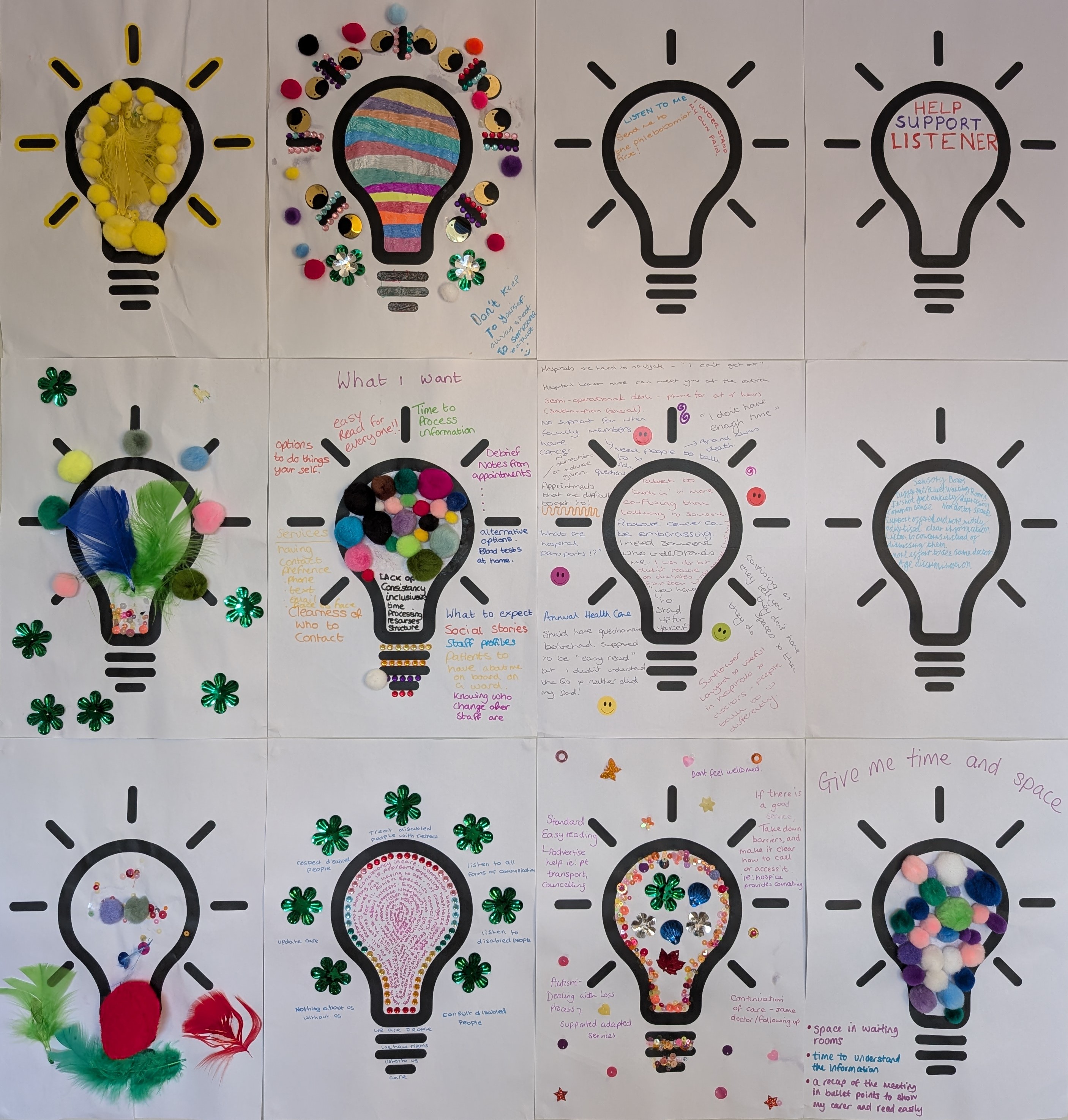
In 2023, the project “What I’d Like to Say” project examined the experiences of disabled and neurodivergent individuals with cancer services. Following the initial findings, phase two focused on solutions, gathering suggestions for improvement through discussions and art-based methods. A new screening project aims to enhance service experiences for marginalized communities.
-
Connecting Through Queer Academia: Highlights from Three Trans+ Conferences

I’ve been very lucky and honoured to share conference spaces and stages with so many amazing queer and trans academics in the last few months. I wanted to share my experiences of three conferences, the first three of many to come I am sure! Beyond Reflections: Trans+ Conference 15th May, Bournemouth University I was privileged…
-
The Isolation of PhD Studies: A Neurodivergent Perspective

The writer reflects on their challenging PhD journey, grappling with emotional and administrative hurdles while transitioning from a long-term role supporting neurodivergent youth. They express frustration over the lack of clarity in obtaining help, navigating academia’s structures, and reconciling personal trauma with the demands of research. It’s isolating yet deeply personal.
-
Understanding the Gender Gap in Autism Diagnosis

The historical perception of autism as primarily a male condition has led to a significant diagnosis gap for women, girls, and gender-diverse individuals. While theories like the Female Autism Phenotype have emerged, they often reinforce gender stereotypes and exclude marginalized groups, complicating access to support and erasing diverse autistic experiences.
-
The Impact of ‘Neurospicy’ on Neurodivergent Communities

The term “neurospicy” describes neurodivergent individuals but risks undermining the experiences of disabled individuals due to its euphemistic nature. Originating in the early 2020s to challenge medical labels, it contains racial-sexist connotations that can perpetuate harmful stereotypes. In contrast, “neurodivergent” is preferred for its inclusivity and empowerment.