
-
Celebrating the work of Professor Jason Arday
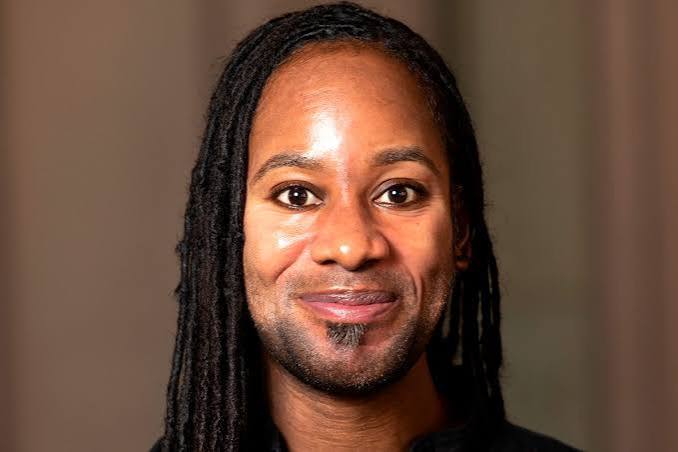
In early 2023, Cambridge University were delighted to tell the world that Dr Jason Arday had been appointed as a Professor of Sociology of Education, with his post beginning in March that year. Cambridge University shared “Arday has faced many personal challenges – notably being diagnosed, at the age of three, with a form of…
-
Understanding Belonging: A Summary of Recent Trans Autistic Research

The study examines the experiences of transgender and gender diverse autistic adults regarding belonging and exclusion across three levels: macro (workplaces), meso (healthcare, education), and micro (personal relationships). It highlights the complexity of their experiences influenced by systemic ableism and transphobia, advocating for structural changes to enhance inclusivity and supportive environments.
-
Breaking the Model: On Cisgenderism, Ableism, and Academic Survival

The blog discusses a conversation on The Autism Podcast addressing issues of cisgenderism, ableism, and intersectionality, particularly for trans autistic individuals in healthcare. The author shares experiences about community involvement, the challenges faced by autistic youth, substance use among autistic adults, and the complexities of research within a deficit-oriented psychological field.
-
The Search for a Unifying Term in Autism

The quest for an inclusive term for the Autistic community is daunting due to its diverse experiences and identities. Terms like “neurodivergent” and “Autism Spectrum Disorder” resonate differently among individuals. Racial dynamics complicate this further, highlighting that while language should respect autonomy, it often reflects societal hierarchies influenced by racism and ableism.
-
Challenging Illusions of Inclusivity in Workspaces

Through my deepening journey with social justice I feel I am finally opening my eyes. With this new found clarity I am no longer able to be in spaces where people don’t champion and validate diversity and prioritise the psychological safety of all within their space. This includes the psychological safety of Global Majority people,…
-
The Impact of ‘Neurospicy’ on Neurodivergent Communities

The term “neurospicy” describes neurodivergent individuals but risks undermining the experiences of disabled individuals due to its euphemistic nature. Originating in the early 2020s to challenge medical labels, it contains racial-sexist connotations that can perpetuate harmful stereotypes. In contrast, “neurodivergent” is preferred for its inclusivity and empowerment.
-
Taking Autistic researchers seriously

The author’s experience as a neurodivergent research assistant at a UK university highlights challenges in navigating administrative processes exacerbated by Covid-19. Despite their qualifications, they faced bureaucratic obstacles that led to frustration and workplace insecurity. This experience reinforced the importance of support and understanding for neurodivergent individuals in collaborative environments.
-
Spectrum 10K: Consultation update

After an overwhelmingly large boycott from Autistic advocates, academics and many others on and offline, Spectrum 10K (a project aiming to collect the DNA and medical history of 10,000 Autistic people) was paused for ethical review. Ethical approval was re-granted with the caveat that consultation be conducted throughout the remainder of the project (read more…
-
Trans and Autistic: Applying for PhD

Applying for a PhD as an autistic transgender person involves navigating ableism, transphobia, paperwork challenges, and the search for affirming supervisors. Rejection can be emotionally taxing, and universities should improve application processes. Autistic trans applicants should utilize available resources, advocate for themselves, and have backup plans. Selecting understanding supervisors is crucial.
-
All body types belong in sport

As a wheelchair basketball coach, I am a strong proponent of the idea that all body types and bodyminds can engage in sports at all levels and should be given the means to do this safely and meaningfully. Physical exercise and movement is a human right. It belongs to all humans. The question should not…