
-
Enhancing Accessibility in Substance Use Services for Autistic Clients
This report examines the accessibility of substance use services in Portsmouth for autistic individuals, emphasising the need for tailored environments and continual staff learning. It highlights systemic barriers, advocating for ongoing neurodiversity training and the adoption of the SPACE framework. The findings show accessible care is achievable through collaboration with autistic communities.
-
Exploring Social Justice in Research: Reflections from the SCDTP Final Year Conference
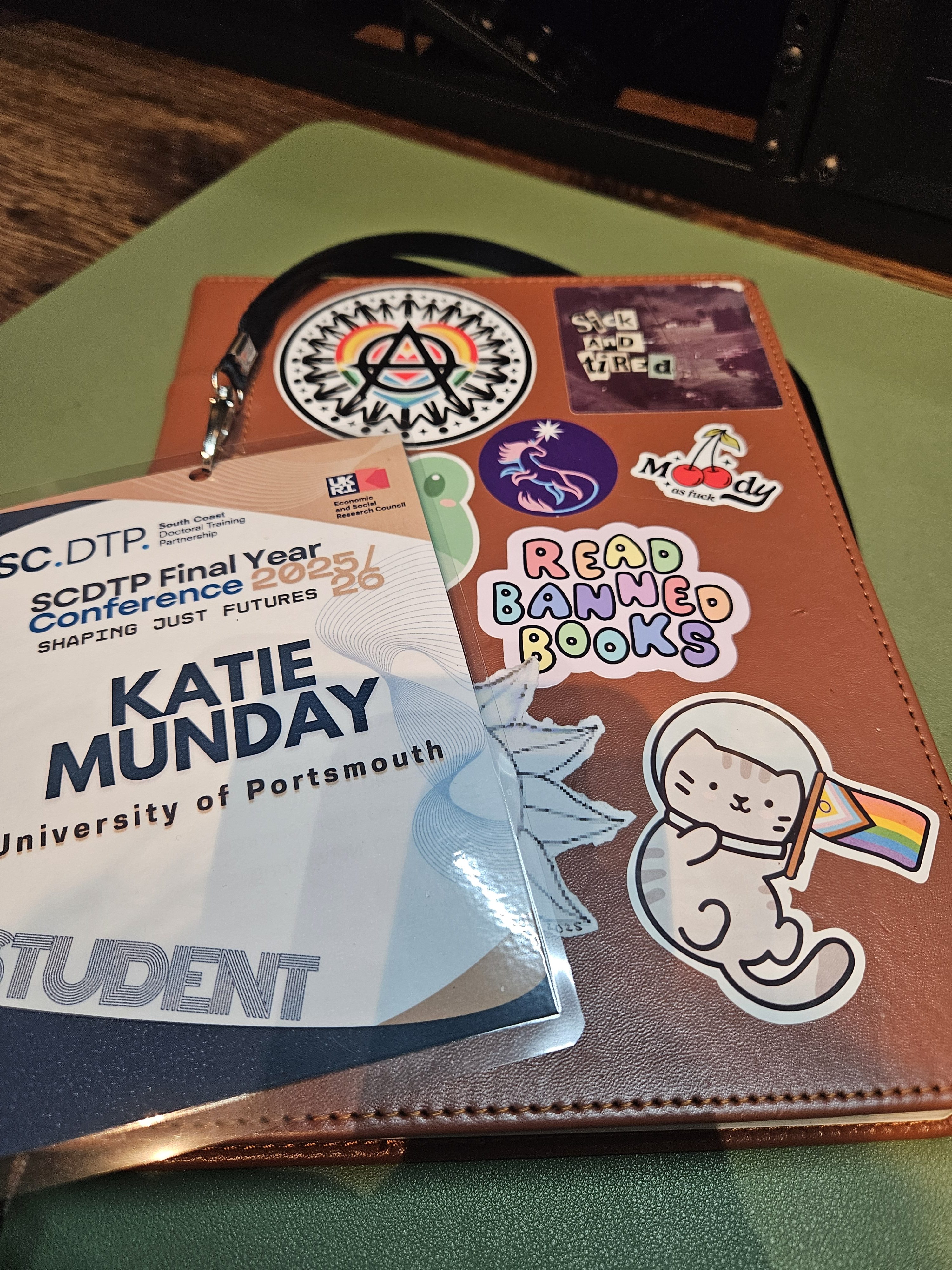
The South Coast Doctoral Training Partnership End of Year Conference 2025 focused on love and social justice in research. Dr. Maisha Islam and Mr. Pascal Matthias delivered powerful keynotes on racial equity and compassion in academia. The event fostered discussions on inclusivity, knowledge creation, and confronting institutional inequities, marking a meaningful gathering for transformative research.
-
Understanding Microaggressions Faced by Trans Autistic Youth

Trans autistic young people often face misunderstanding and stigma in healthcare and daily life, complicating access to gender-affirming care and support. They encounter microaggressions within both autistic and LGBTQIA+ communities, often feeling excluded. Online spaces provide crucial support and connection, enabling exploration of their identities while also posing risks. Listening and understanding are vital for…
-
Understanding Gender Creativity in Autistic Youth

This blog explores the complex relationship between gender identity and autism, highlighting how autistic young people often exhibit gender creativity that challenges traditional norms. Their unique social processing and sensory experiences encourage an authentic exploration of gender, leading to higher rates of transgender and gender-diverse identities among them. Support for this exploration is essential.
-
2025 in Review: Advocacy Wins and Personal Growth

The year was transformative, marked by advocacy wins such as the closure of the Spectrum 10K project, significant academic achievements including the completion of a PhD year, and a strong sense of community in research. Ongoing efforts highlight the importance of Autistic voices and mental health, fueling hope for future progress.
-
Understanding Double Empathy in TGD Autistic Healthcare

The blog discusses healthcare inequities faced by gender diverse autistic adults, emphasizing the Double Empathy Problem. It highlights systemic barriers, biases in healthcare, and the challenges posed by transmedicalism. Recommendations for practitioners include checking biases, using inclusive language, and valuing lived experiences to foster equitable healthcare environments.
-
Inclusive Cancer Care: Voices of the Disabled Community

The project led by Rosie Tansley and Katie Munday focuses on making cancer care accessible for disabled and neurodivergent individuals. Through participatory methods, it identifies barriers such as inaccessible information and poor communication, while proposing solutions that prioritise empathy and inclusivity in healthcare. Meaningful changes are essential for effective support.
-
The Power of Kindness in Healthcare

Kindness is a free yet scarce resource in healthcare, often hindered by systemic issues like staff exhaustion and bias. Sharing personal stories fosters empathy and connection, creating a sense of belonging. Community-driven research enriches understanding and advocacy, reminding us of the importance of kindness in sustaining human connection amidst challenges.
-
Inclusive Practices for Better Gender Identity Care

To improve gender identity healthcare for autistic and neurodivergent individuals, key recommendations include hiring a trans healthcare coordinator, enhancing GP training, prioritizing trauma-informed care, and ensuring accessibility. Participants emphasise the need for empathy, communication, and a patient-centered approach that recognises and addresses the unique challenges faced by this community.
-
Enhancing Accessibility in Gender Identity Services

Autistic and neurodivergent individuals face significant barriers in accessing gender-affirming healthcare, as revealed by research on their experiences. Discrimination occurs when disclosing autism, leading to feelings of frustration and alienation. Accessibility issues further complicate care, with non-binary experiences often overlooked. A call for continuous learning and empathy in healthcare is essential for improvement.